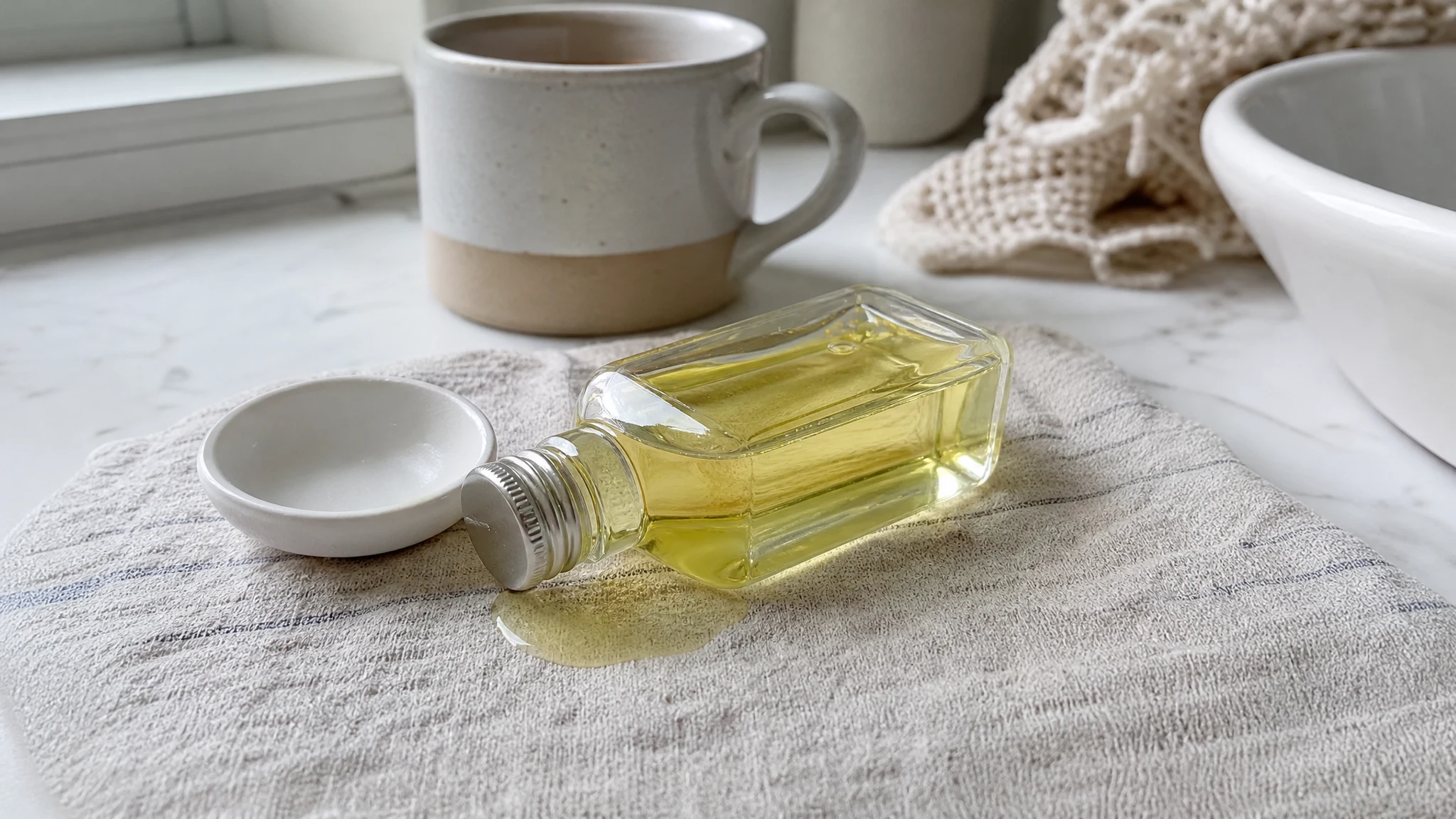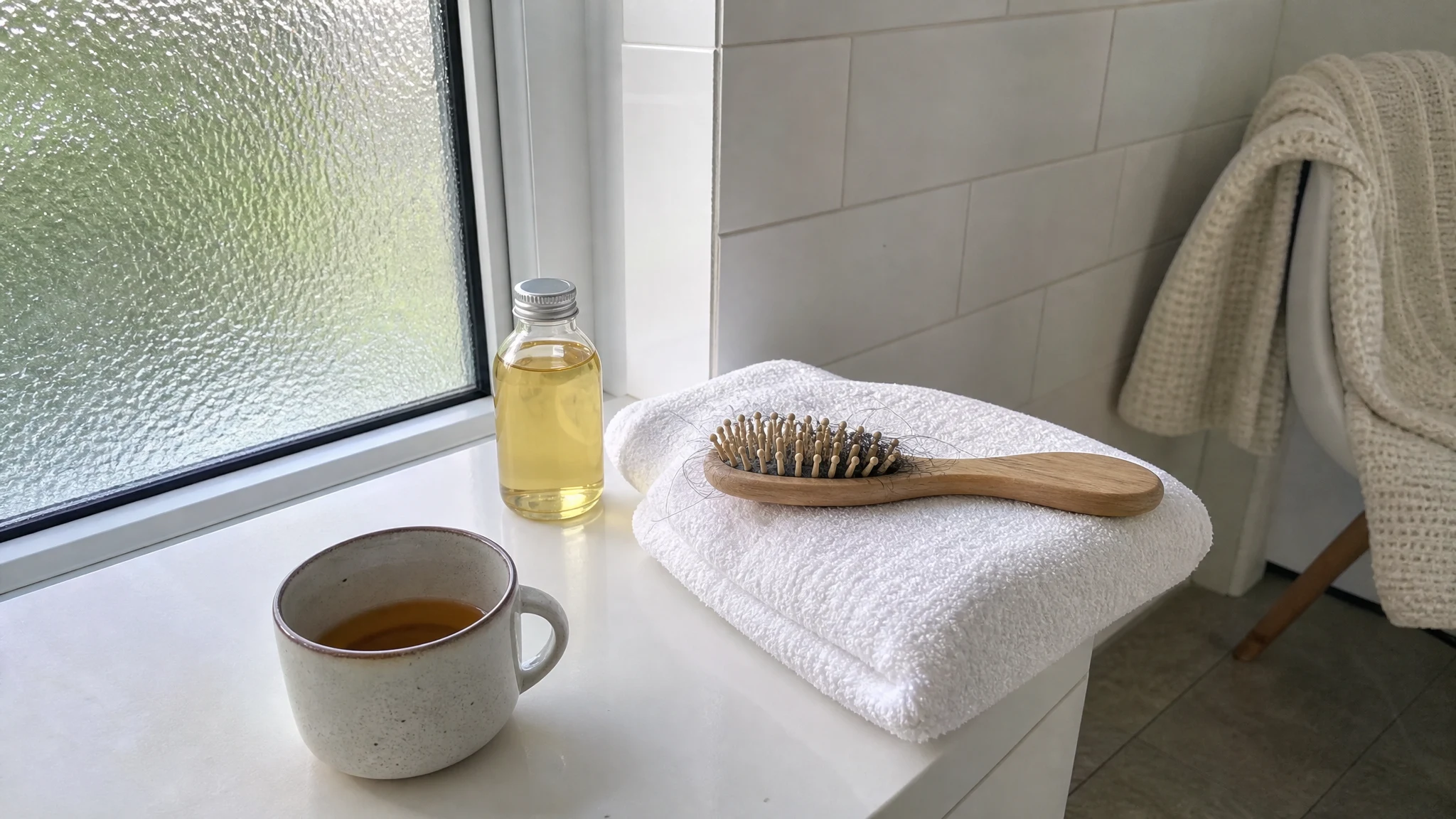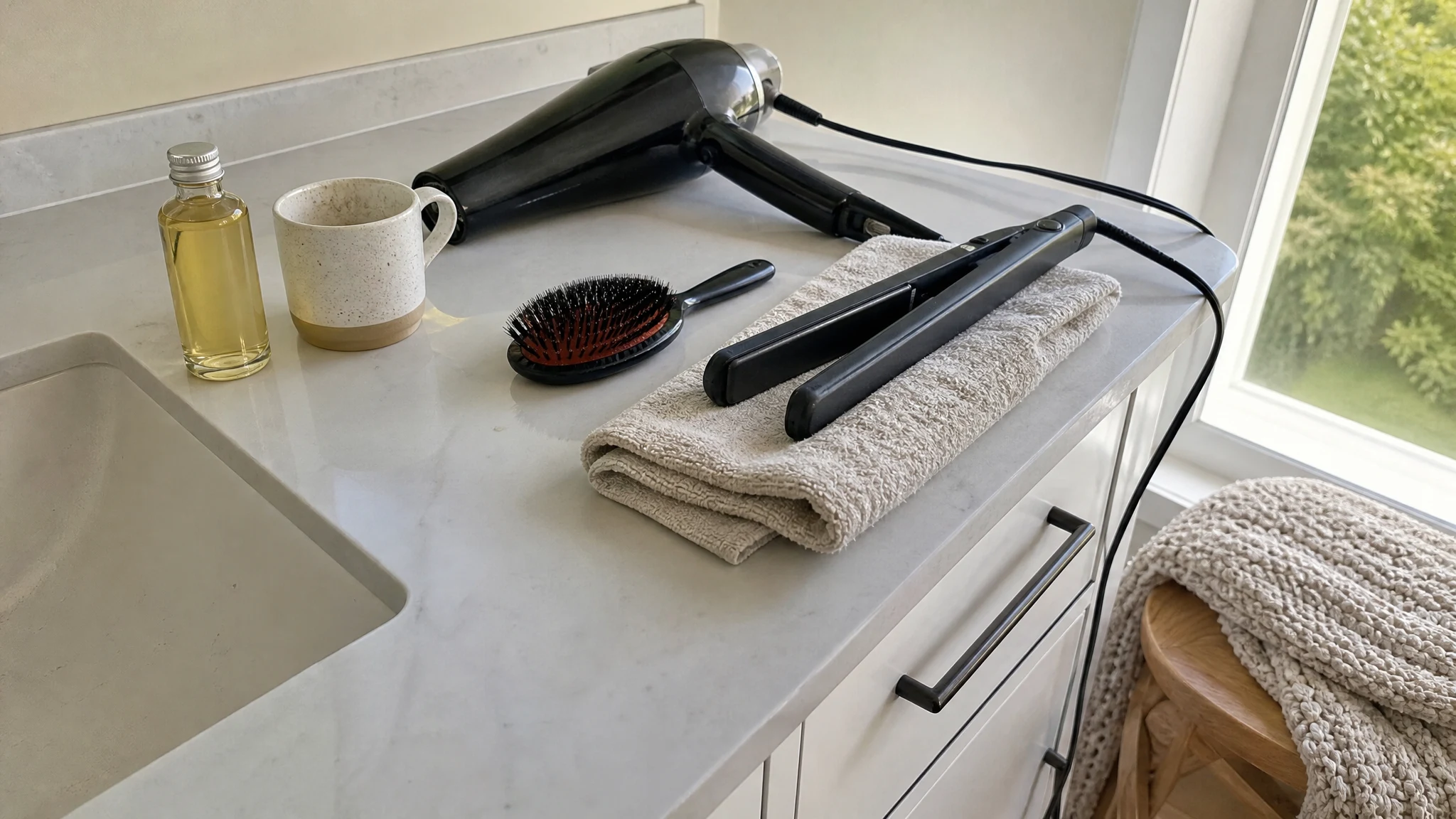
Oil Before a Flat Iron? Why We Say Finish, Not Shield
We sell an oil, and we are going to tell you not to put it under your flat iron. It is a common bit of advice online: smooth on some natural oil, then straighten, and your hair will be protected. We do not think that holds up, and we would rather you spend your money on the right tool for that job.
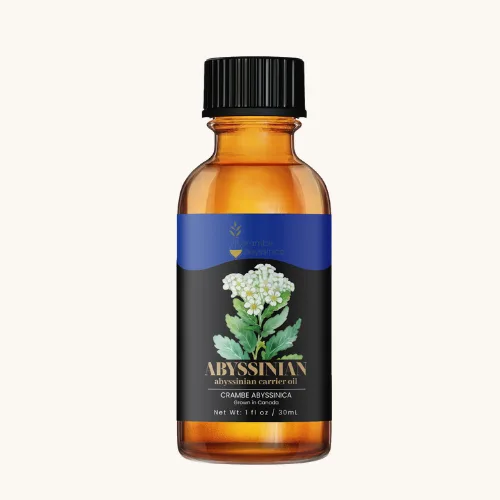
Abyssinian Oil
Cold-pressed Abyssinian oil, in sizes from 0.5 oz to bulk.
From $11.99
Shop Abyssinian Oil →What a heat protectant is for
The American Academy of Dermatology is blunt about heat: no matter your hair type, excessive heat can cause damage. Its advice is to limit blow drying and flat or curling irons, keep the settings low or medium, and use a product made to protect the hair from heat. That last point is the key one. A heat protectant is a formulated product designed for the job. A plant oil from a bottle, however nice, was not developed or tested as a heat shield, and we cannot claim our Abyssinian oil does that.
Cosmetic chemists describe the heat-resistant silicones used in many protectants as polymers that can stand up to high temperatures, which is part of their purpose in those products. A single plant oil is a different kind of material altogether.
What happens to oil on a hot plate
Plant oils are made of fatty acids, and the more unsaturated they are, the more they react with heat and oxygen. Food scientists studying frying describe unsaturated fatty acids as particularly susceptible to thermal oxidation at high temperatures: they form hydroperoxides, which break down into other compounds that produce off smells and rancidity. Every oil also has a smoke point, the temperature where it starts to break down and smoke, and that is a much lower number than a flat iron plate.
Our oil is described as high in unsaturated omega-9 and omega-6 fatty acids, so that is exactly the type of oil this logic applies to. We do not publish a smoke point for it, and we would not hold a hot iron against it to find out. Pressing a hot plate onto oiled hair is not something we would recommend to anyone.
Where oil really shines
After styling. Once the hair has cooled and the iron is off, a drop or two of oil does what oils do best: it adds a thin surface film that smooths the cuticle, cuts friction, and gives hair a glossier, neater look. Research on hair oils describes exactly that film effect. This finishing step is where our light golden, non-greasy, mild-nutty oil is at home.
Here is the routine we would suggest:
- Towel-dry gently and use a purpose-made heat protectant (find one at a pharmacy or beauty supply shop; we do not make one).
- Dry and style on a low or medium setting where you can, with as few passes as possible.
- Let hair cool completely.
- Warm one drop between your palms and smooth it over the ends and any frizzy bits.
That is a much better use of a small bottle than a single drop sacrificed to a hot plate.
If you are tempted anyway
Some people like to use a little oil on hair that is already dry and styled, and to touch up between washes. That is fine, and it fits well with the ideas in our guides to frizzy hair and a silicone-free finish. If you colour your hair, take a look at our notes on colour-treated hair, since heat and colour tend to go together. The wider hair overview shows how oil can be part of a routine.
The best way to look after your hair around heat is to use it less and use the right helper when you do. Oil can be the finishing touch, not the armour.
Abyssinian Oil
Cold-pressed Abyssinian oil, from a small bottle to bulk sizes.
From $11.99
Shop Abyssinian Oil →Sources & Further Reading
- Tips for healthy hair (American Academy of Dermatology)
- Chemical Changes in Deep-Fat Frying: Reaction Mechanisms, Oil Degradation, and Health Implications (Food Science & Nutrition, 2025)
- Hair cosmetics: an overview (International Journal of Trichology, 2015)