Cosmetic vs Drug Claims: Where the FDA Draws the Line
In the eyes of the FDA, an oil is not a cosmetic or a drug because of what is in the bottle. It is one or the other because of what you say it is for. That single idea, intended use, explains most of the rules a small beauty brand needs to understand, and it is easier to live with than it sounds.
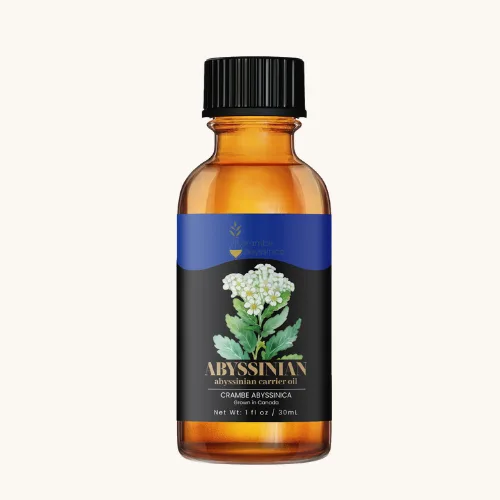
Abyssinian Oil
Cold-pressed Abyssinian oil, in sizes from 0.5 oz to bulk.
From $11.99
Shop Abyssinian Oil →A quick note first: this is general information, not legal advice. A regulatory consultant or an attorney who works with cosmetics should review a brand's claims before launch.
Two definitions, one dividing line
The Federal Food, Drug, and Cosmetic Act defines cosmetics as articles intended to be rubbed, poured, sprinkled or sprayed on the body for cleansing, beautifying, promoting attractiveness or altering appearance. Drugs are partly defined by medical purpose, meaning articles intended to address disease (the full statutory wording is on the FDA page below), and also articles intended to affect the structure or any function of the body. Moisturizers, perfumes and lipsticks are the FDA's own cosmetic examples.
Intended use is established by more than the label. The FDA looks at labeling, advertising and promotional claims, at what consumers expect the product to do, and at well-known therapeutic ingredients. So a social media caption, a blog post or a product page counts. Some products legitimately sit in both camps: the FDA's example is a shampoo that cleanses hair and also makes a medical claim about the scalp, which makes it a cosmetic and a drug at once.
How wording moves a product across the line
Here are phrases in plain terms. The left column describes appearance, feel and sensory experience. The right column describes disease or changes to how the body works.
| Reads as cosmetic | Reads as drug |
|---|---|
| Moisturizes dry skin | Claims to address a skin condition |
| Leaves skin feeling soft and smooth | Regenerates cells (an example the FDA itself gives) |
| Adds shine to hair | Promises a medical outcome |
| Has a mild, nutty aroma | Changes a function of the body |
Notice that the safe column is not dull. Texture, aroma, feel and finish give an oil plenty to talk about. The test to apply is whether a sentence could be read as promising a medical or physiological outcome. If it could, rewrite it or drop it.
What MoCRA adds for brands
The Modernization of Cosmetics Regulation Act of 2022 gave the FDA more oversight of cosmetics. In the FDA's summary, the responsible person, meaning the manufacturer, packer or distributor named on the label, must:
- list each marketed product with the FDA, with its ingredients, and update the listing yearly;
- keep records supporting adequate safety substantiation (the law does not require specific tests);
- report serious adverse events to the FDA within 15 business days, with a copy of the label.
Facilities that manufacture or process cosmetics must also register with the FDA and renew every two years. The Act exempts certain small businesses from good manufacturing practice, registration and product listing requirements. The size test is set in the law, and the exemption does not cover products that contact the eye's mucous membrane, are injected, are intended for internal use, or alter appearance for more than 24 hours. Whether your brand qualifies is exactly the kind of question for your consultant, and reading the FDA's own page is a good first step.
Why we care, and what it means for your sourcing
We hold this site to the same line, which is why our oil is described by how it feels and smells rather than by what it might do for the body. For a brand, the same discipline starts with supplier paperwork: safety substantiation is easier when you know what to ask for, and the formulation guide is a good map of the rest. If you would like examples of the language in practice, our posts on sensitive skin and mature skin are written to this standard, and our page for formulators collects the trade side.
Good claims are not a handicap. A brand that sticks to what its product feels like and how it performs on the skin builds a vocabulary customers trust, and has far less to rewrite later.
Abyssinian Oil
Cold-pressed Abyssinian oil, from a small bottle to bulk sizes.
From $11.99
Shop Abyssinian Oil →Sources & Further Reading
- Is It a Cosmetic, a Drug, or Both? (Or Is It Soap?), U.S. Food and Drug Administration.
- Modernization of Cosmetics Regulation Act of 2022 (MoCRA), U.S. Food and Drug Administration.