Rosemary Oil in Abyssinian Oil: A Blend by the Numbers
Rosemary essential oil smells like a sunny hillside in a bottle: green, camphorous, a little sharp, completely unmistakable. It is also far too concentrated to use on its own. The pleasant way to enjoy it on skin is to dilute it into a carrier oil, and the arithmetic of doing that well is more interesting than it sounds.
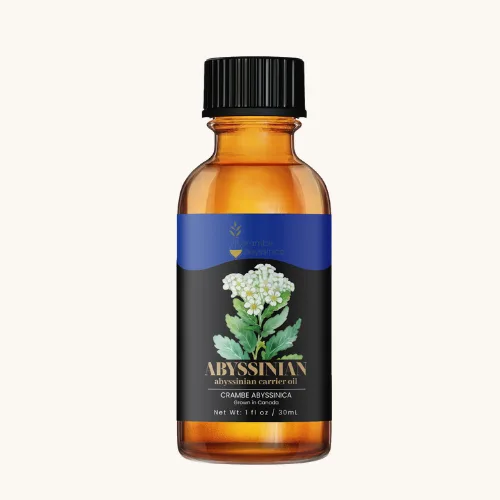
Abyssinian Oil
Cold-pressed Abyssinian oil, in sizes from 0.5 oz to bulk.
From $11.99
Shop Abyssinian Oil →A scent that needs a smooth companion
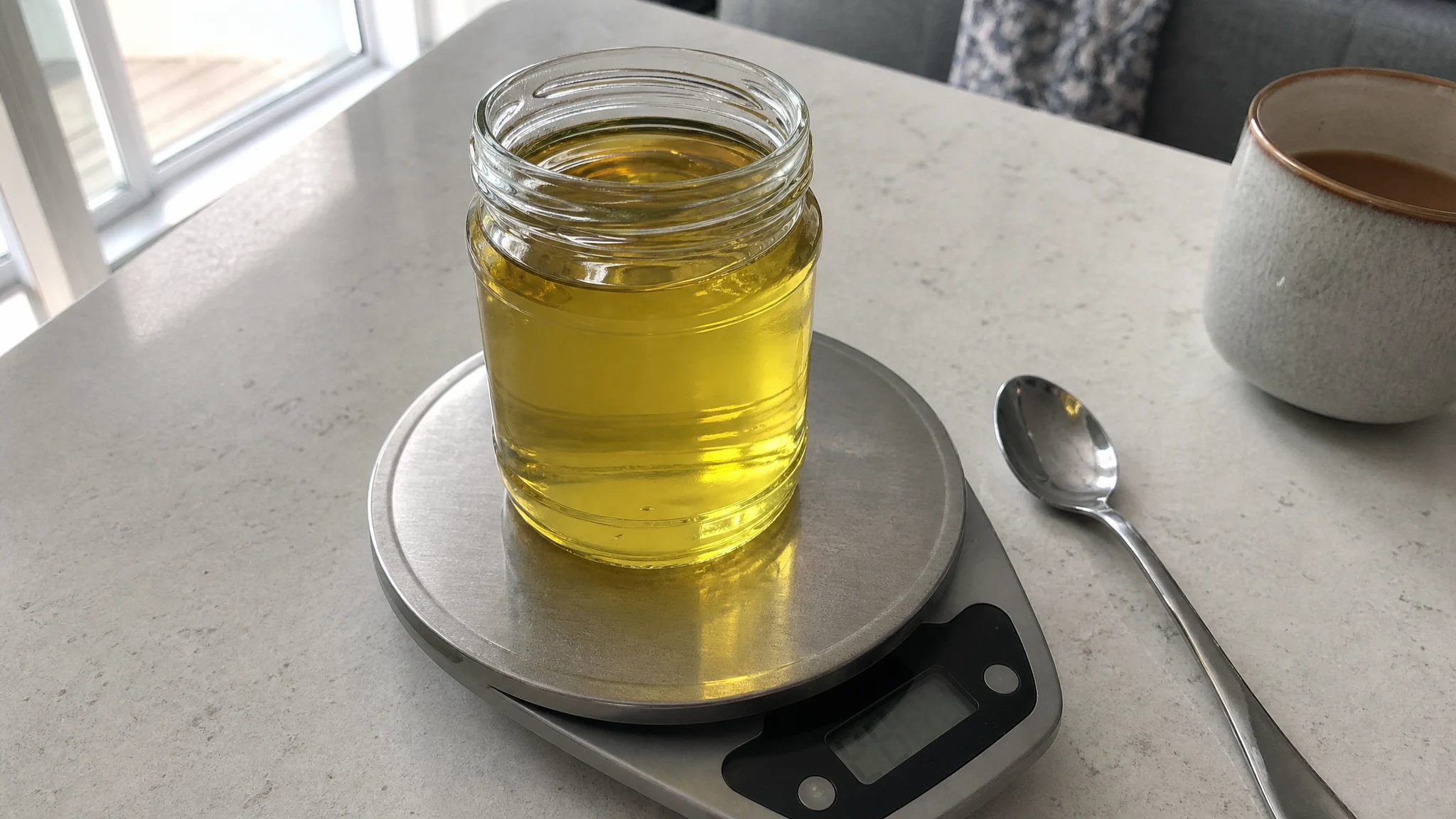
Rosemary is a loud aroma. It wants a carrier that stays out of the way, and that is where a light oil earns its place. Our Abyssinian oil is cold-pressed, golden and lightweight, with a mild nutty aroma that sits quietly under the herbal top note instead of competing with it. It feels non-greasy on the skin, so a rosemary-scented body or hand oil finishes soft rather than slick. We do not sell rosemary oil; you will find it at a pharmacy, a craft supply shop or a grocery store, and a small bottle goes a very long way.
What the dilution guidance says
The Tisserand Institute, whose work is the usual reference for essential oil safety, gives these general guidelines: 0.5 to 1.2 percent for facial cosmetics and other sensitive areas, 1 to 3 percent for body oils and lotions, and 0.2 to 1 percent for sensitive or impaired skin. It adds that the table applies to essential oils without specific restrictions, and it recommends working in percentages instead of drops.
Our suggestion, and it is a judgment call from those numbers, is to begin at 1 percent. Rosemary is strong, so a low rate already scents the whole bottle, and 1 percent falls inside both the face and body ranges. If it smells too faint after a week, go up in small steps; if it is too much, you can always add more carrier oil.
The arithmetic, in millilitres
Percent is volume of rosemary per 100 volume of finished blend. For a 30 ml bottle (about 1 fl oz):
| Rate | Rosemary oil | Abyssinian oil to add |
|---|---|---|
| 0.5% | 0.15 ml | 29.85 ml |
| 1% | 0.3 ml | 29.7 ml |
| 1.2% | 0.36 ml | 29.64 ml |
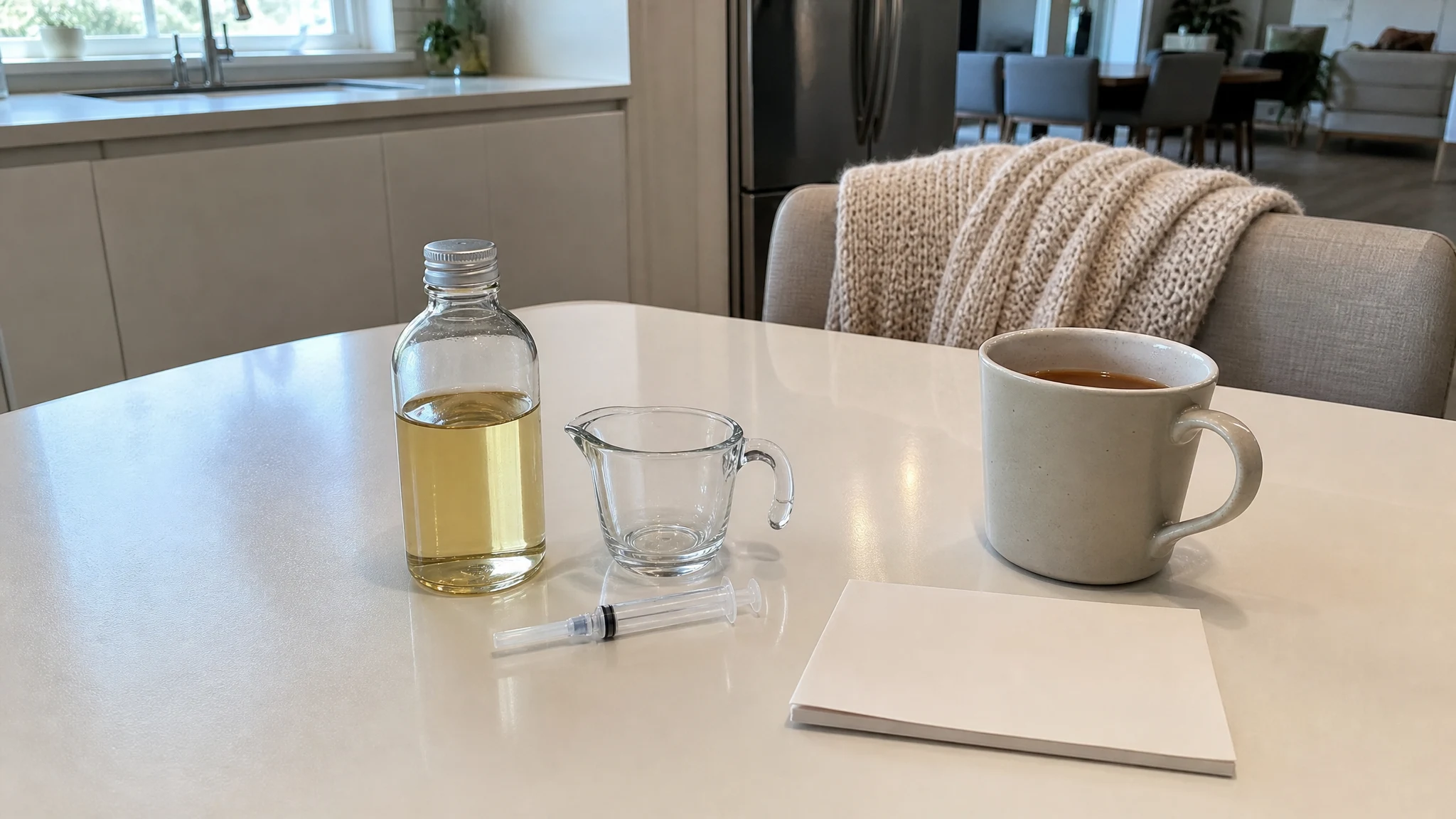
Drops are where people go wrong. Many dilution charts assume 30 drops to a millilitre, which makes 1 percent of a 30 ml bottle about 9 drops. Charts that assume 20 drops to a millilitre say 6 drops for the same bottle. Both are in circulation, and the real answer depends on the bottle and the oil, which is exactly why the Tisserand Institute says to work in percent. If you only have a dropper bottle, use the lower count, judge the aroma, then adjust. A small measuring syringe is more accurate than any count of drops.
For a 10 ml travel size, 1 percent is 0.1 ml, a tiny quantity, so it is easier to blend 30 ml and share the rest.
Mixing it
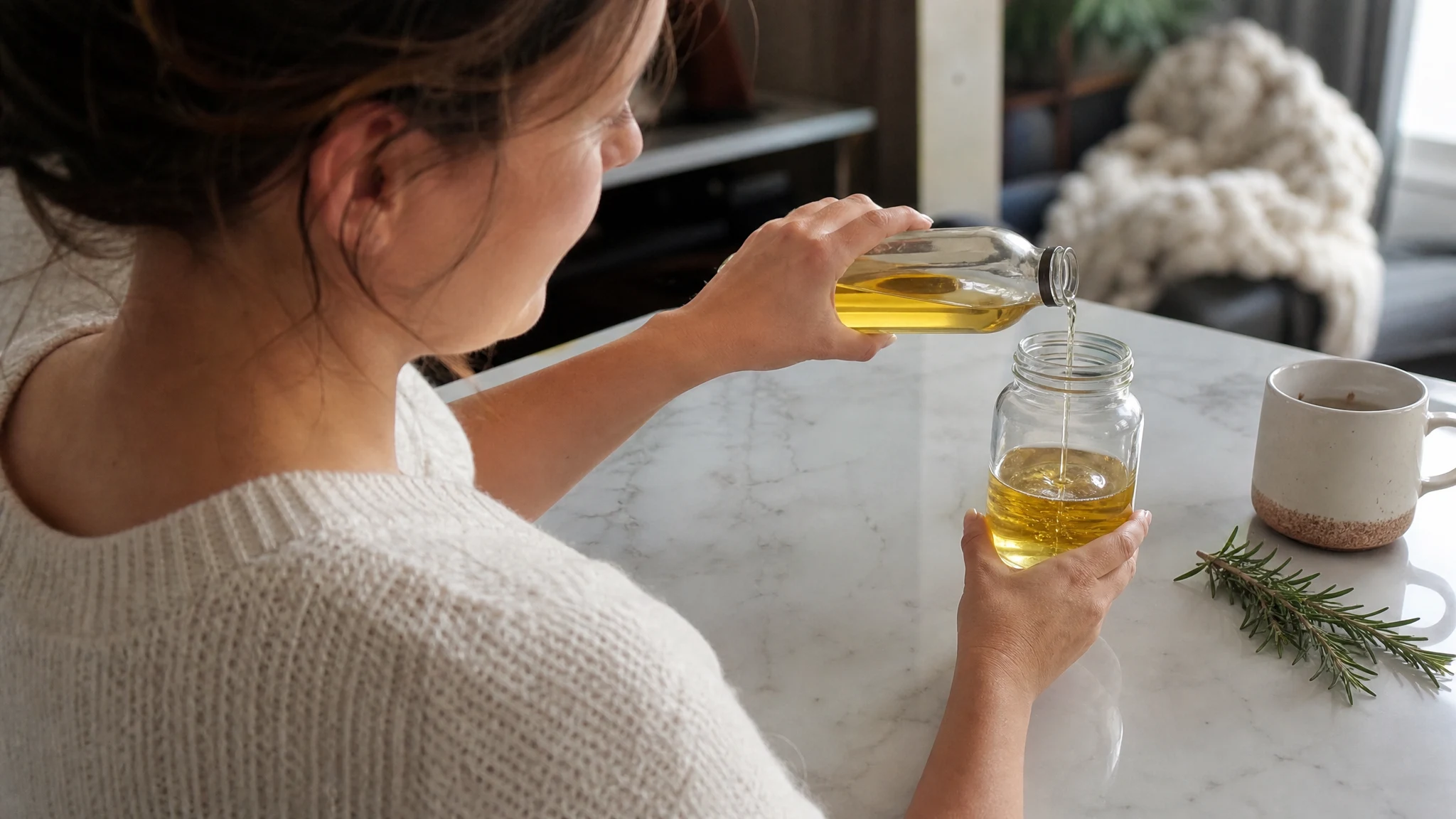
- Pour the Abyssinian oil into a clean, dry glass bottle first.
- Add the rosemary oil to the carrier, not the other way round.
- Cap, then roll the bottle gently between your palms for a few seconds.
- Patch test on a small area of inner arm and wait a day before regular use. Avoid eye contact.
Keep the bottle in a cool, dark cupboard, and write the date on a piece of tape. Tisserand's own rosemary oil bottle says to use it within 12 months of opening, which is a sensible clock for the blend too.
Who should leave rosemary out
Rosemary has more cautions than lavender or orange, and they are worth knowing before you buy it. Tisserand's safety information for its rosemary essential oil says it should not be used by people with epilepsy or high blood pressure, not used undiluted, not used on children under 6, and that pregnant or nursing readers should consult a healthcare professional first. If any of that applies to you, a different scent is the easy answer, or leave the oil unscented. For anything specific, a pharmacist or doctor is the right person to ask, and we sell a cosmetic oil, not medical advice.
Other ways to play
If rosemary is not for you, the same arithmetic works for any essential oil with its own limits. Our dilution guide shows how, and the hub post on DIY recipe ideas explains why we keep every recipe free of water. Wondering how Abyssinian compares with other carriers for a blend like this? That comparison is a good next read, and the face serum recipe uses the same percentages.
The nicest thing about a scented oil is how small the formula is: one bottle, one measured pinch of rosemary, and a smell that makes you glad you stopped to make it.
Abyssinian Oil
Cold-pressed Abyssinian oil, from a small bottle to bulk sizes.
From $11.99
Shop Abyssinian Oil →Sources & Further Reading
- Dilution for essential oils (Tisserand Institute)
- Organic Rosemary Essential Oil (Tisserand Aromatherapy product safety information)