Cuticle Oil for Gel and Acrylic Nails: Aftercare Basics
A fresh gel manicure looks great for two weeks, and the skin around it is often the first thing to protest. Cuticles dry out and lift, and the edge of the polish catches on every sleeve. A little oil helps with the feel of all that, as long as you time it around the manicure and ask your technician about the products they use.
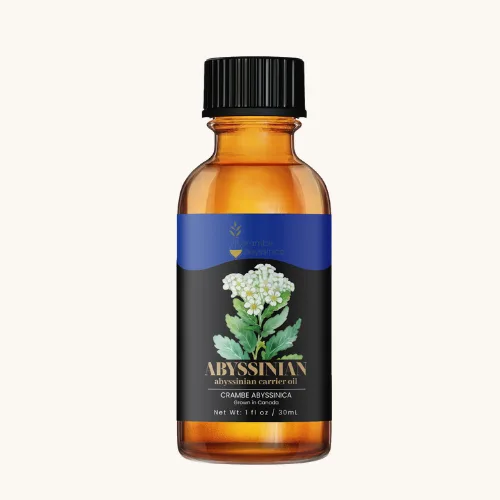
Abyssinian Oil
Cold-pressed Abyssinian oil, in sizes from 0.5 oz to bulk.
From $11.99
Shop Abyssinian Oil →What dermatologists say about gel
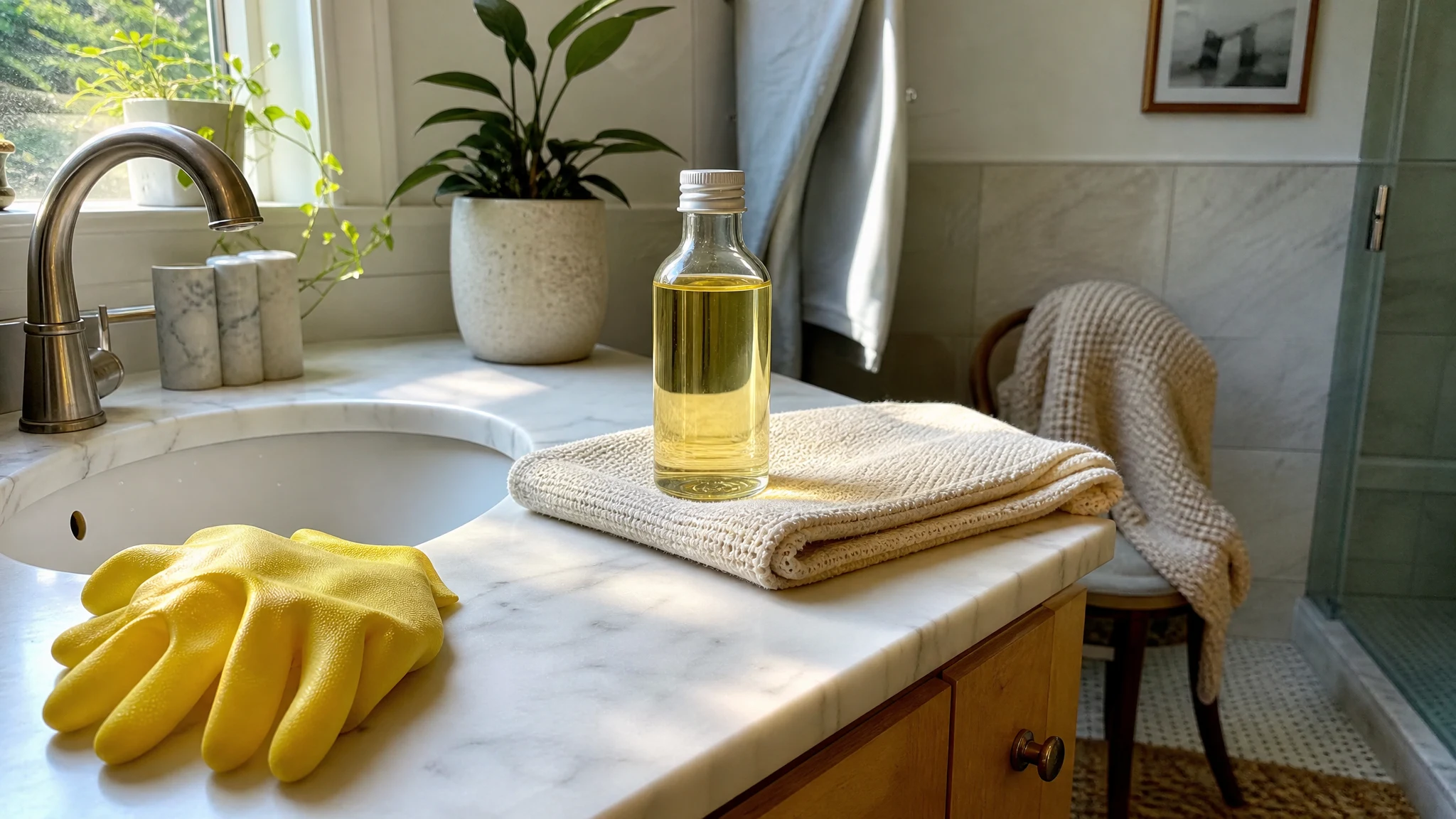
The American Academy of Dermatology has a page of tips for gel manicures, and a few are worth passing on. Gel polish is hardened under an ultraviolet lamp, and the AAD advises protecting your hands first, either with a broad-spectrum, water-resistant sunscreen (they name SPF 30 or higher) or with dark, opaque gloves with the fingertips cut off. That is advice about sunscreen and gloves, and a cuticle oil is not a stand-in for either. Ask your salon or a dermatologist if you have concerns about lamp exposure.
The AAD also says to ask your manicurist never to push or cut your cuticles, which fits their general advice that cuticles protect the nails and the skin around them from infection. It suggests removing gel at the salon or soaking fingertips carefully rather than picking at lifted polish, and taking a polish holiday of a week or two now and then so nails can rest. For artificial nails, it says to choose soak-off gel over acrylic where you can and to ask the technician to skip cuticle trimming.
When to oil, and when to wait
Here is where we use reasoning rather than a source, so take it that way. Oil on the nail plate before the manicure is the opposite of what you want, because gel and acrylic need a clean, dry surface to grip. Technicians typically prepare the nail and wipe away oils before they start, and an oiled nail makes that harder. It is a good guess that oil applied right before a service, or right after it before the product has fully set, could loosen adhesion. Your technician will know how their products behave, so ask them.
In practice, we would suggest the following:
- Before your appointment: skip the oil on the day, and mention if you have been using it.
- Right after: ask how long they want you to wait before oiling.
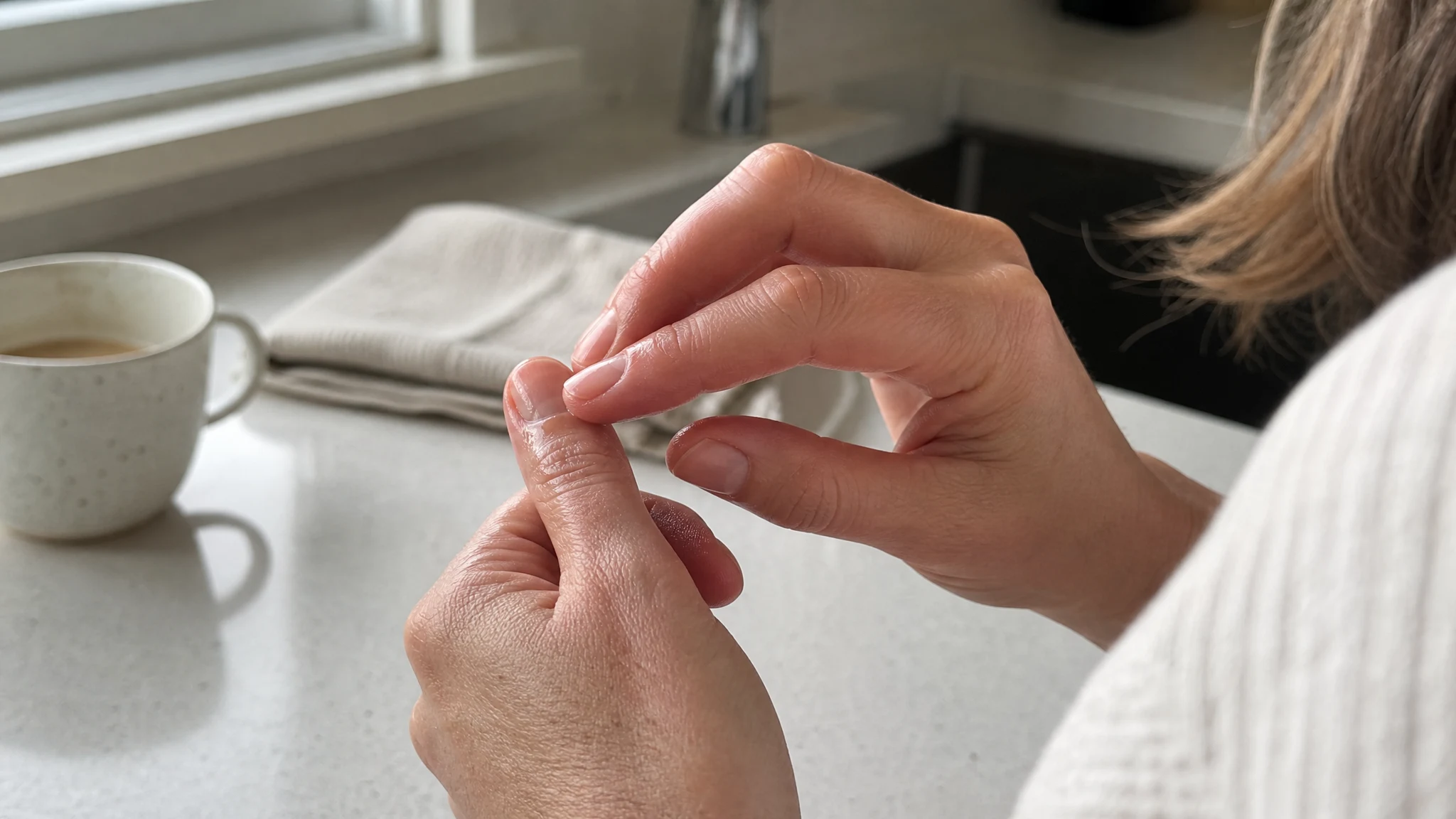
- Daily, once you have the go-ahead: one small drop at the base of each nail, massaged into the skin around the cuticle. Keep it on the skin and away from the edges of the gel as far as you can.
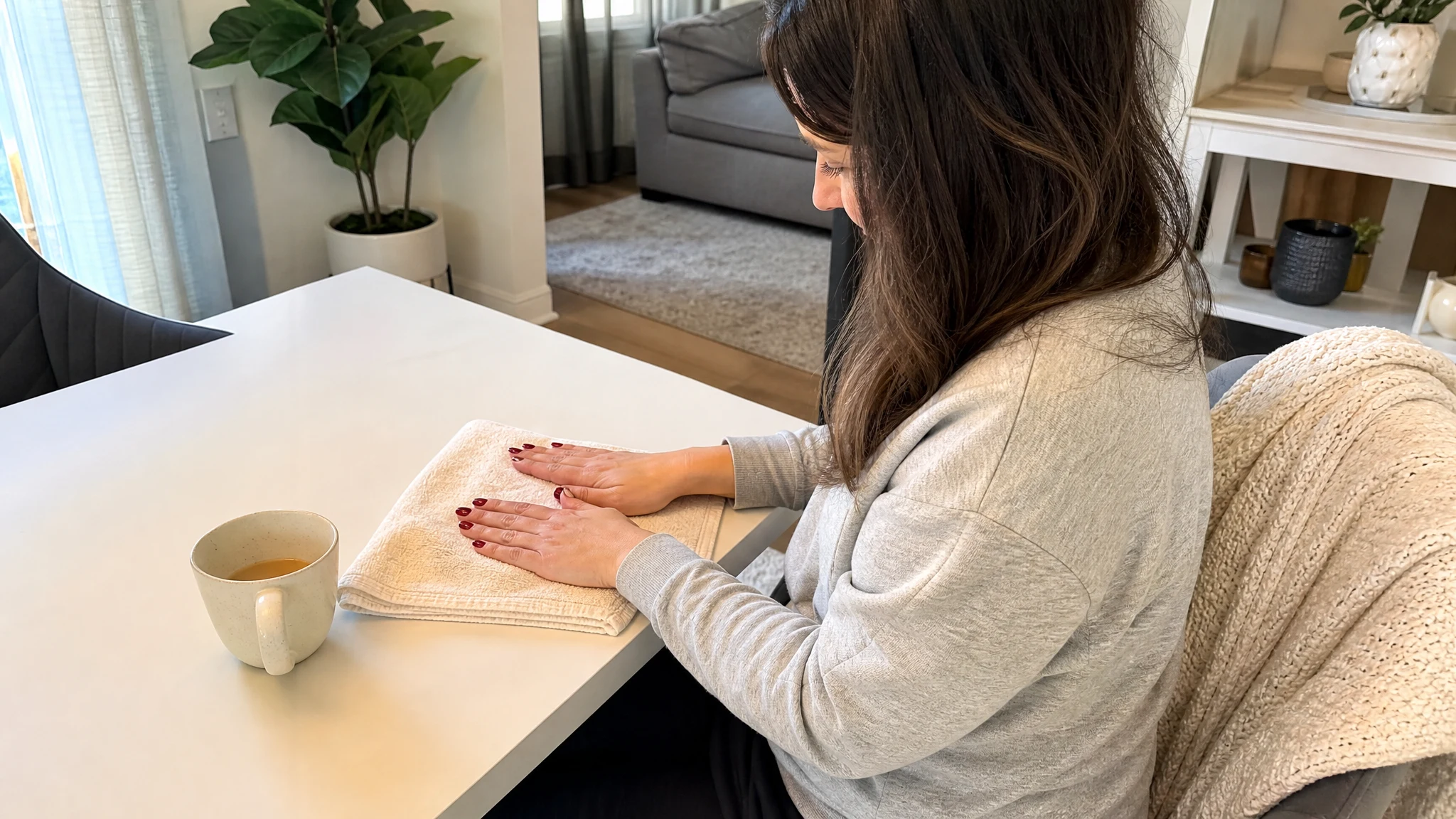
- Between sets: oil the whole nail and the skin around it, which is where the AAD suggests moisturizing several times a day.
Why a light oil is a good match
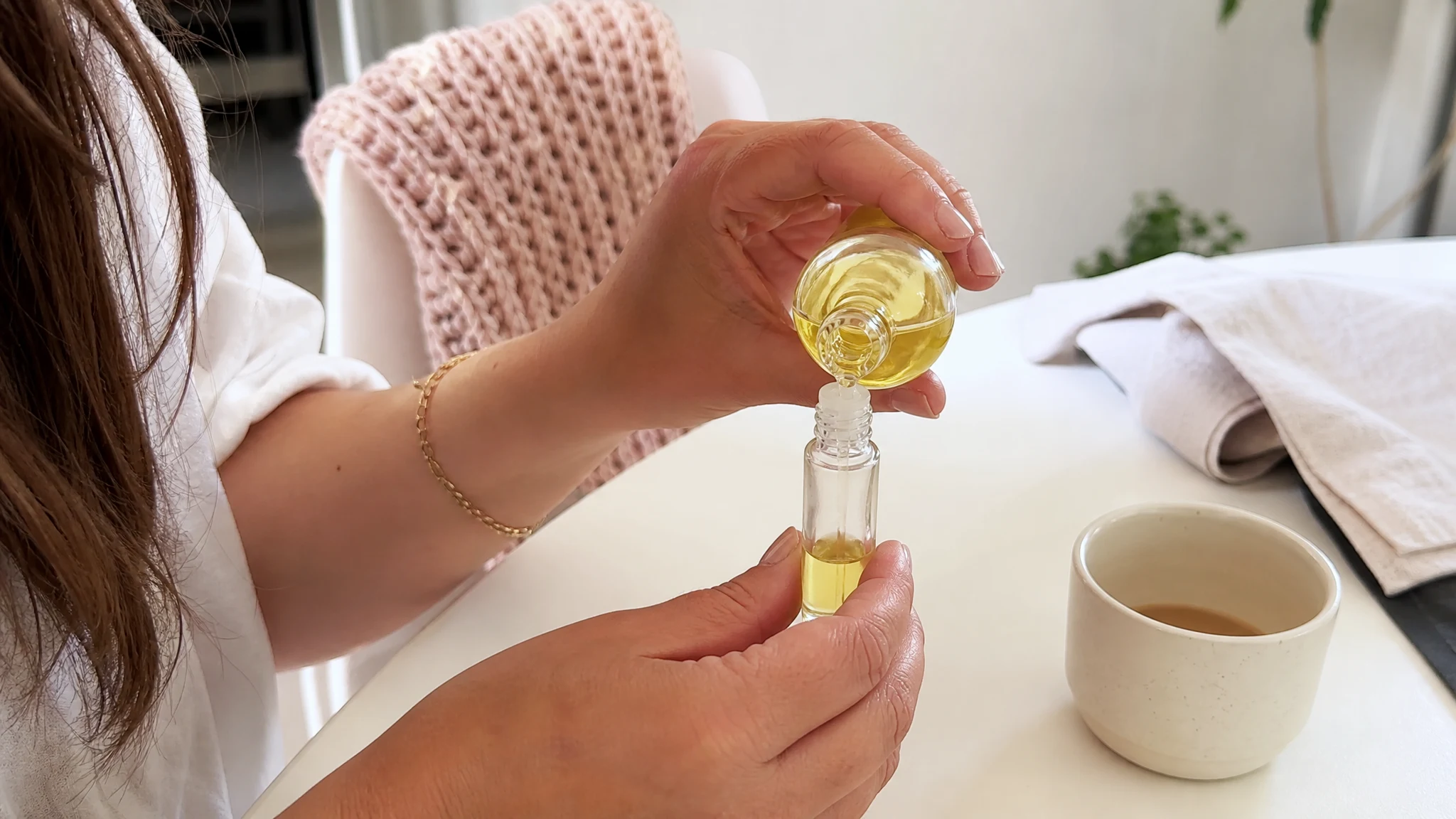
Our Abyssinian oil is light, golden and non-greasy, which suits a manicure that you want to keep looking neat. A heavy oil can leave a film that makes a glossy finish look smudged. A light one moisturizes the skin at the nail edge, leaves it feeling soft and smooth, and does not slide around once you have rubbed it in. The routine itself is covered in our cuticle guide, and if you would like to mix a roller bottle, the arithmetic is here.
After you take the set off
Removal tends to leave nails thin and parched. The AAD says gel manicures can cause brittle nails with peeling or cracking, and its advice for the break between sets is to moisturize nails and cuticles several times a day. A light oil can play that role, and our post on dry-feeling nails has more on the habits that matter, including gloves for water chores.
If you see redness, swelling, pain, or nails lifting or changing colour, that is a question for a dermatologist or your doctor, not for cuticle oil; we sell a cosmetic oil. Skin varies from person to person, so patch test before first use and avoid eye contact.
A gel manicure is a commitment to a fairly demanding routine, and your cuticles will thank you for the attention they get between appointments.
Abyssinian Oil
Cold-pressed Abyssinian oil, from a small bottle to bulk sizes.
From $11.99
Shop Abyssinian Oil →Sources & Further Reading
- Gel manicures: Tips for healthy nails, American Academy of Dermatology
- Artificial nails: Dermatologists' tips for reducing nail damage, American Academy of Dermatology