DIY Cuticle Oil With Abyssinian Oil: Roller and Pen Refill
Cuticle oil sounds like a specialty product, but the principle is the same as most hand oils: a gentle, light base oil, sometimes with a trace of scent. That makes it one of the easier things to mix yourself, and the quantities are small enough that a little arithmetic does the work.
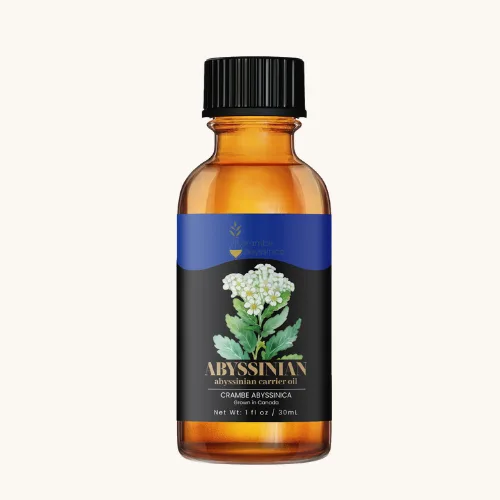
Abyssinian Oil
Cold-pressed Abyssinian oil, in sizes from 0.5 oz to bulk.
From $11.99
Shop Abyssinian Oil →Start with the base
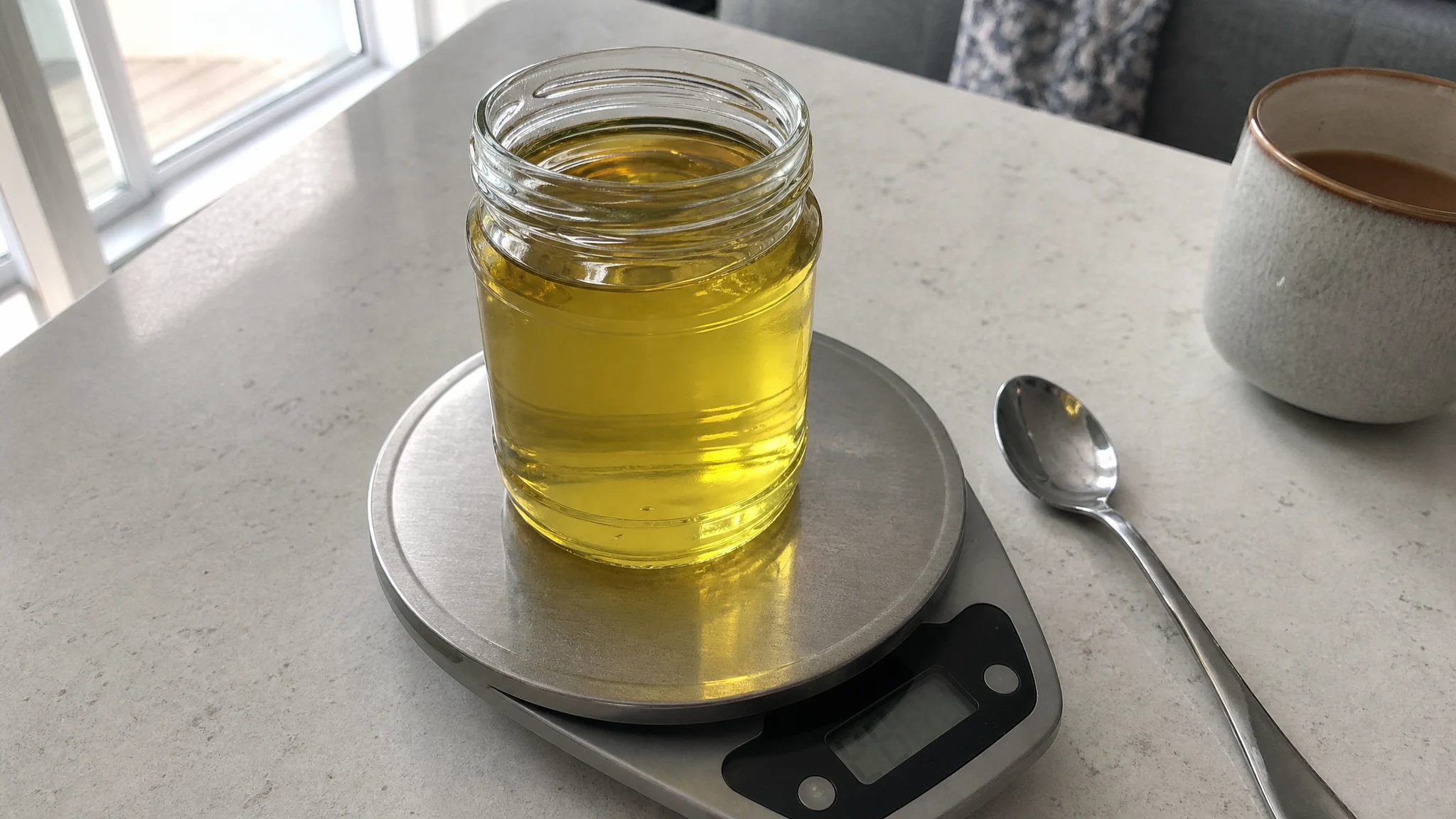
Nearly all of a homemade cuticle oil is the base, so the base is the choice that matters. For fingertips you want something light, because heavier oils leave prints on screens and glasses. Our Abyssinian oil is cold-pressed, light and golden, with a mild nutty aroma, which is a good match. It is also the only ingredient you need. Scent is optional, and plenty of people prefer none.
The 10 ml roller
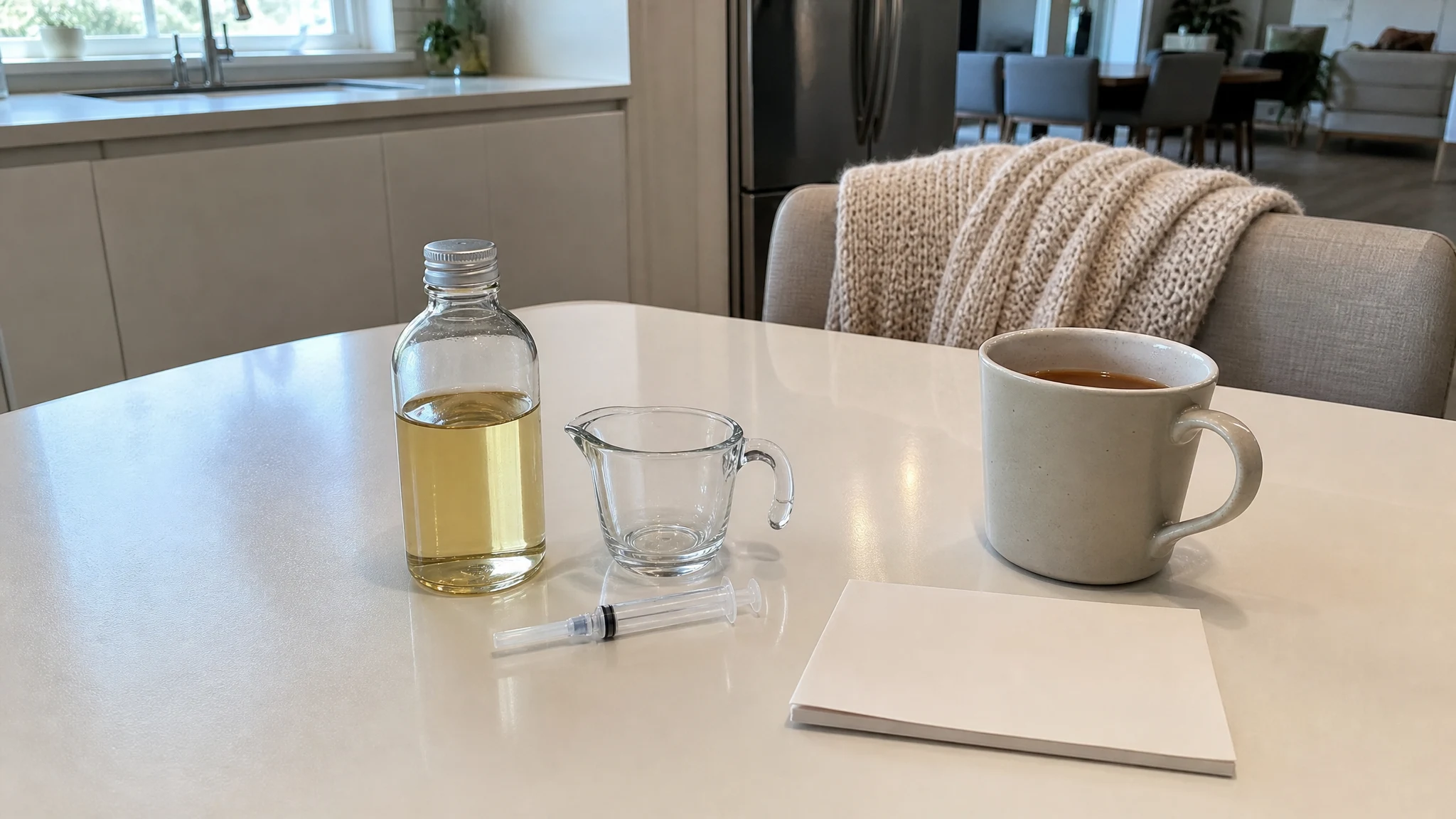
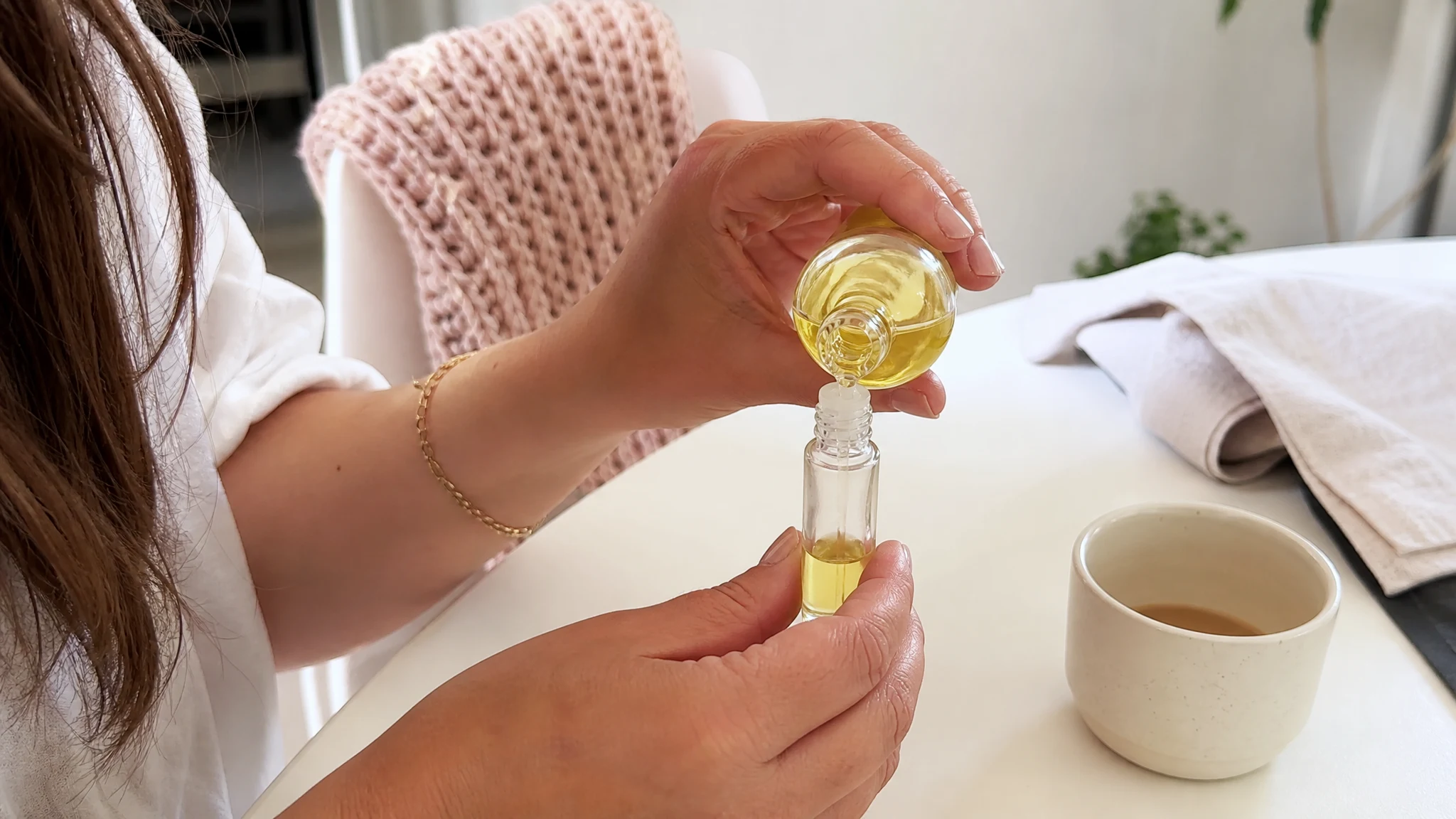
A standard roller bottle holds 10 ml. Fill it nearly to the neck with the base oil and leave a little room so the ball seats without overflow. Without scent, that is the whole recipe: one oil, one bottle.
If you want a light scent, the arithmetic goes like this. The Tisserand Institute lists guideline dilution ranges for essential oils in leave-on products, and the range for facial products and the like is 0.5 to 1.2 percent, with 1 to 3 percent for body oils and lotions. It describes these as useful guidelines rather than rules and says to start low. Cuticle oil lives on the skin around the nails and often ends up on the face, so staying near the lower figure is the sensible reading. One percent of 10 ml is 0.1 ml. With about 20 drops to a milliliter as the usual rule of thumb (drops vary a lot), that is around two drops of essential oil in the whole roller. That is a fine whisper of scent, not a perfume, and it is plenty.
We do not sell essential oils, so you would find one at a craft supply shop or pharmacy. Our post on essential oil dilution covers the maths in more depth. If you want to try other projects, our DIY beauty recipes use the same single-oil approach.
Refilling a cuticle pen
Twist-up cuticle pens hold a few milliliters, which is a lot less than a roller, so the arithmetic is the same but the numbers shrink. Check how much your pen holds. For a 3 ml pen, 1 percent is 0.03 ml, which is less than a single drop. In practice, that means making scented oil in the 10 ml roller first, then decanting what you need, or leaving the scent out of the pen altogether. Unscented is the simplest and the most sensible for a small refill.
Fill slowly, and wipe the outside before capping, so nothing seeps onto the brush or into the twist mechanism.
Patch test, label, store
- Patch test. Skin varies from person to person. Dab a little on the inside of your forearm before first use and wait a day. Avoid eye contact.
- Date it. Write the date you mixed it on the bottle with a marker, so you know how long it has been sitting.
- Keep it plain. A plain screw-cap glass bottle makes a good storage bottle for a spare batch. Keep it away from heat and sunlight.
Using it
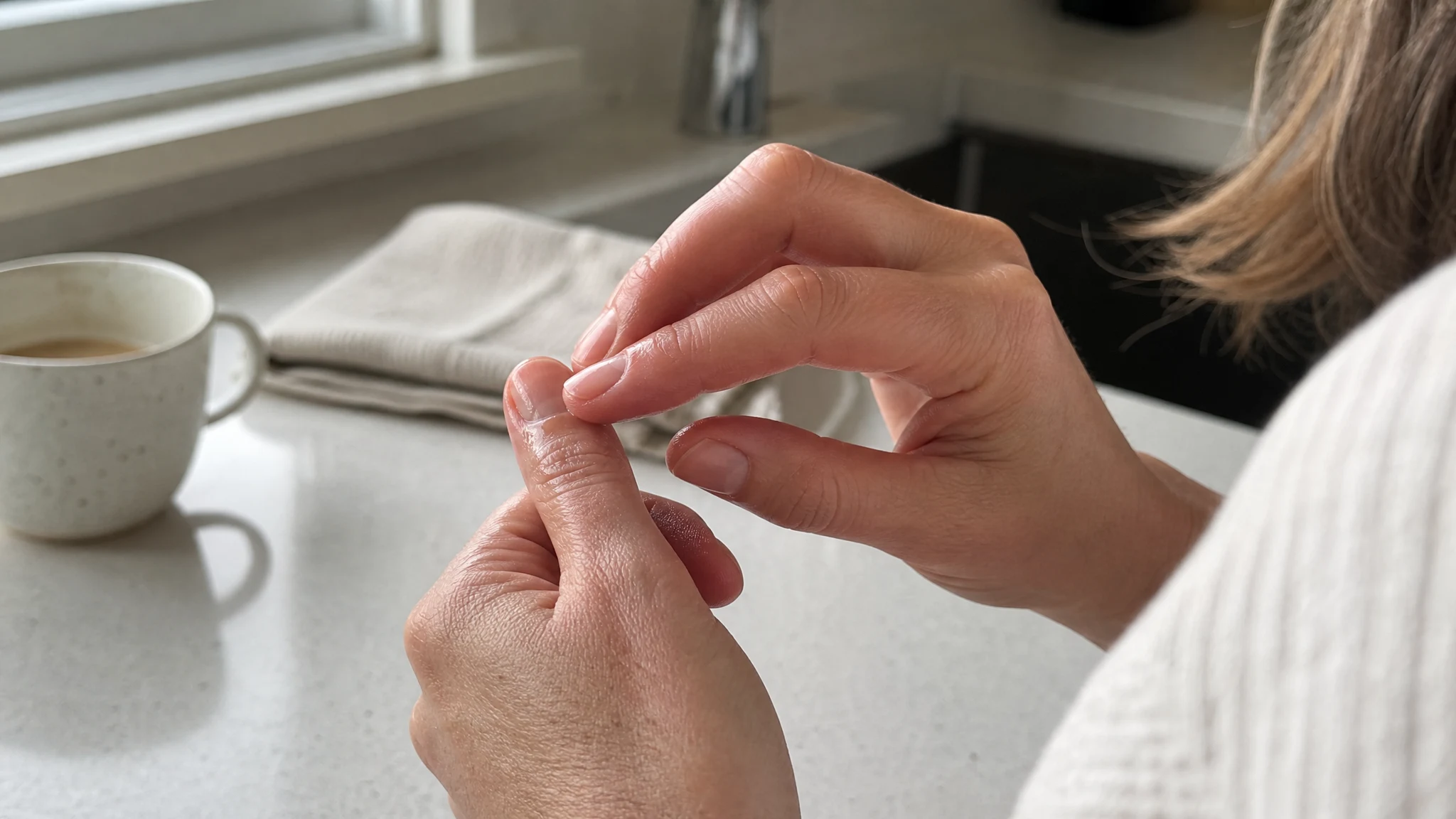
Roll or brush a little onto the base of each nail and massage it in. One light pass is enough, and evenings after washing your hands are the easiest time to make a habit of it. Our cuticle guide has the full routine, and a drop in the evening can also be worked into the nail itself if the surface feels dry, as we describe in our post on dry-feeling nails. If you wear gel or acrylic nails, there is a short guide for you too.
Cuticle care really is this simple, and a homemade bottle gives you the most flexibility: unscented or lightly scented, rollerball or pen, and you know exactly what is in it.
Abyssinian Oil
Cold-pressed Abyssinian oil, from a small bottle to bulk sizes.
From $11.99
Shop Abyssinian Oil →Sources & Further Reading
- Dilution for essential oils, Tisserand Institute
- 11 dermatologists' tips for healthy nails, American Academy of Dermatology