Hair Oiling with a Light Oil: A Weekly Rhythm
In many homes, hair oiling is not a trend but a Sunday ritual: someone warms a little oil, works it through hair, and sits for a while. It is a practice with deep roots in Indian culture, and a recent survey of 1,200 people across the southern states of India found it remains culturally significant today, shaped by family tradition as much as by social media. If you are curious about making a habit of it, there is a simple way in.
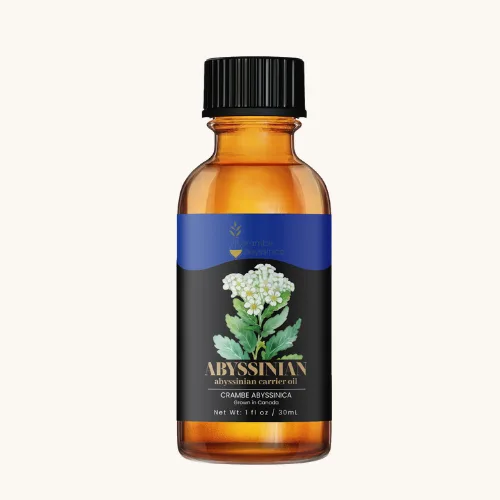
Abyssinian Oil
Cold-pressed Abyssinian oil, in sizes from 0.5 oz to bulk.
From $11.99
Shop Abyssinian Oil →Three ways to oil
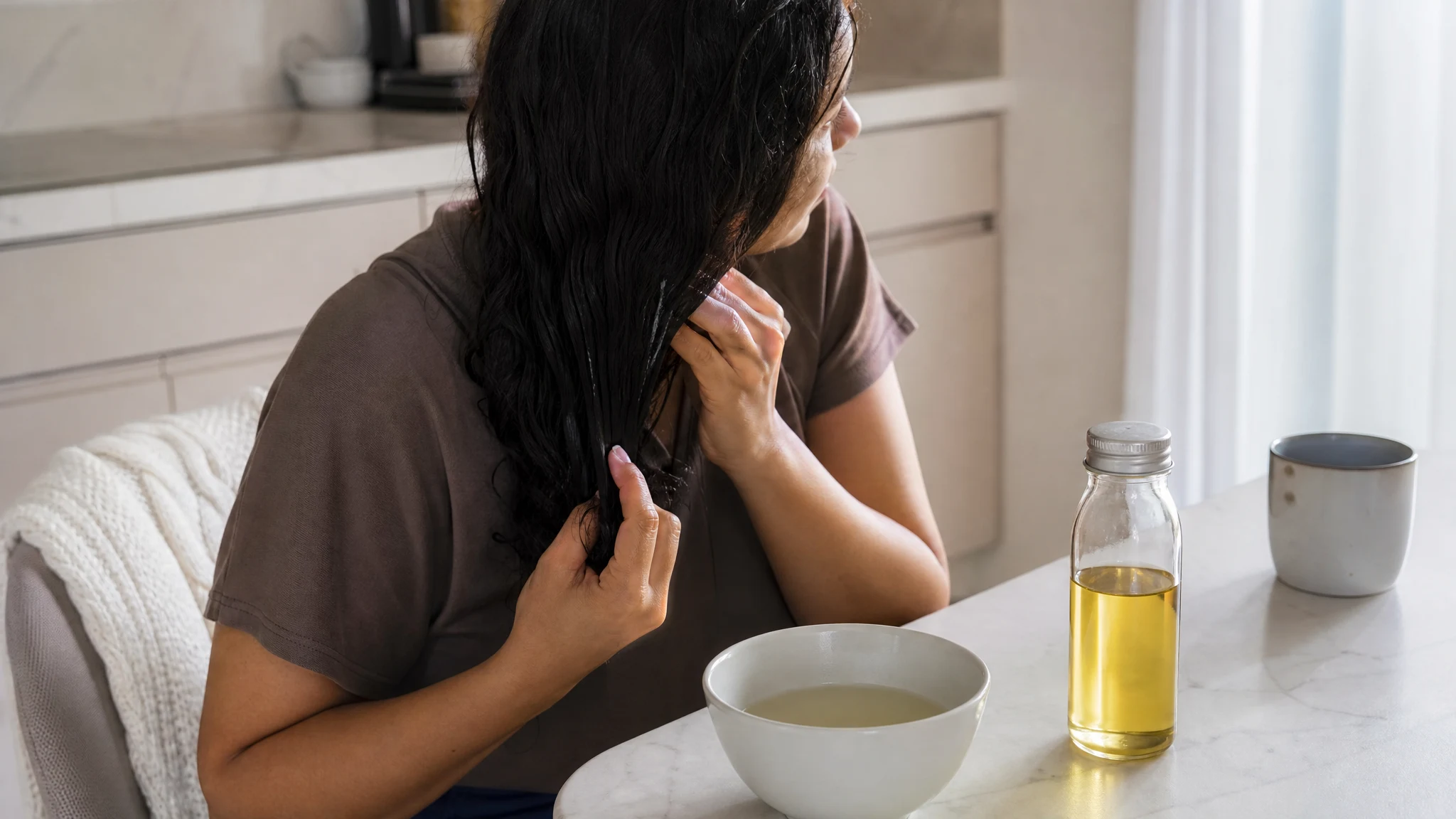
Before shampooing (the pre-wash, sometimes called a pre-poo) is the most common form. You apply oil to dry hair, leave it for anywhere from thirty minutes to a few hours, then shampoo. It is a pleasant way to make wash day feel softer.
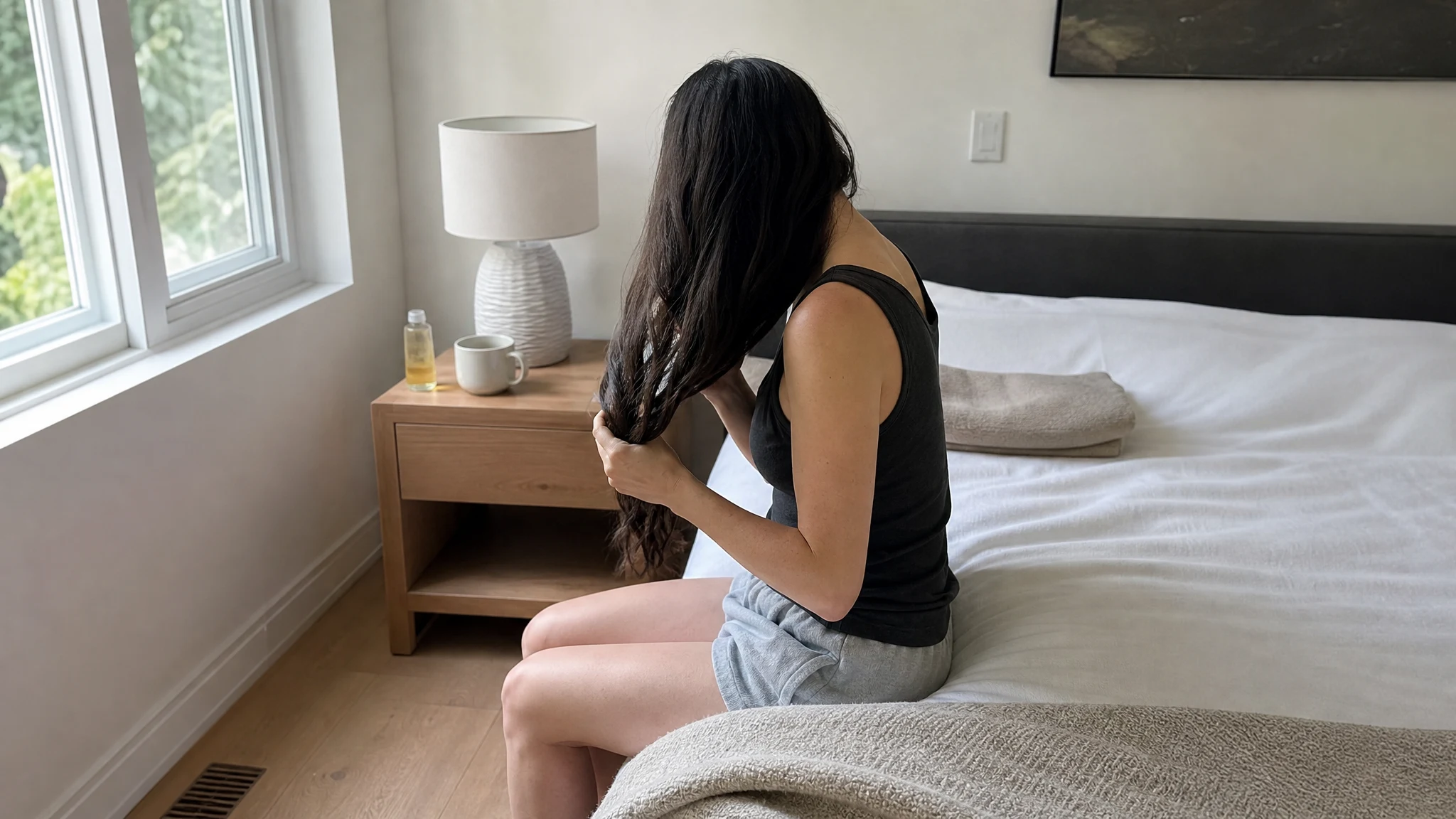
Overnight is the traditional, unhurried version: oil in the evening, wash in the morning. It is the one that needs a little planning, which we get to below.
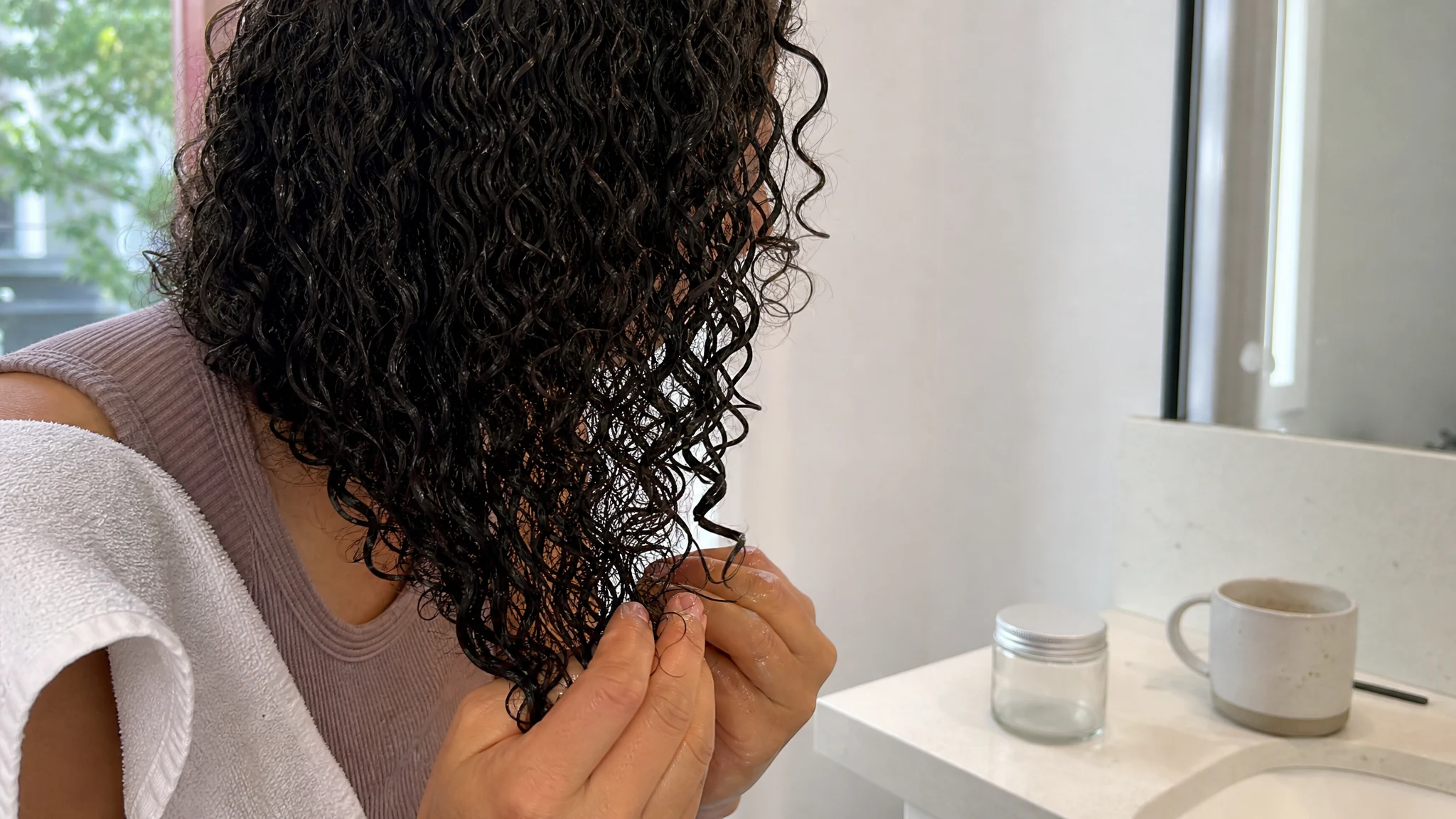
As a finish is the lightest touch: a few drops on dry hair after styling, mostly on the ends, for gloss and a neater look. This is the one we would suggest for most people starting out. If your hair is curly, our curly hair post shows how it fits that texture.
Making the pre-wash simple
If you try only one form, try this. Work a small amount of oil into dry hair, concentrating on mid-lengths and ends, which are the oldest and driest part of the hair. Clip it up, get on with your morning, and shampoo when you are ready. Because Abyssinian oil is light, you will usually need less than you expect. Begin with a teaspoon for shoulder-length hair and adjust from there; more is not better, it just means more shampooing. Thirty minutes is a perfectly respectable session, and there is no need to leave it for hours unless you enjoy that.
How often
There is no rule here, so we would reason from how your hair behaves. A sensible rhythm is once a week for a pre-wash or overnight session, and the finishing touch as often as you like in small amounts. If your hair feels coated after washing, oil less often or use less. If it still feels dry, you can add a second weekly session. The survey above also reports that some people reported scalp irritation after oiling and many would change their routine on a dermatologist's advice, which is a good reason to pay attention to how your own scalp feels. We do not make scalp claims: this is a cosmetic oil for the hair and its ends, and the scalp question belongs to a dermatologist. (Our dry scalp post sets out where we draw that line.)
Why a light oil, and why not
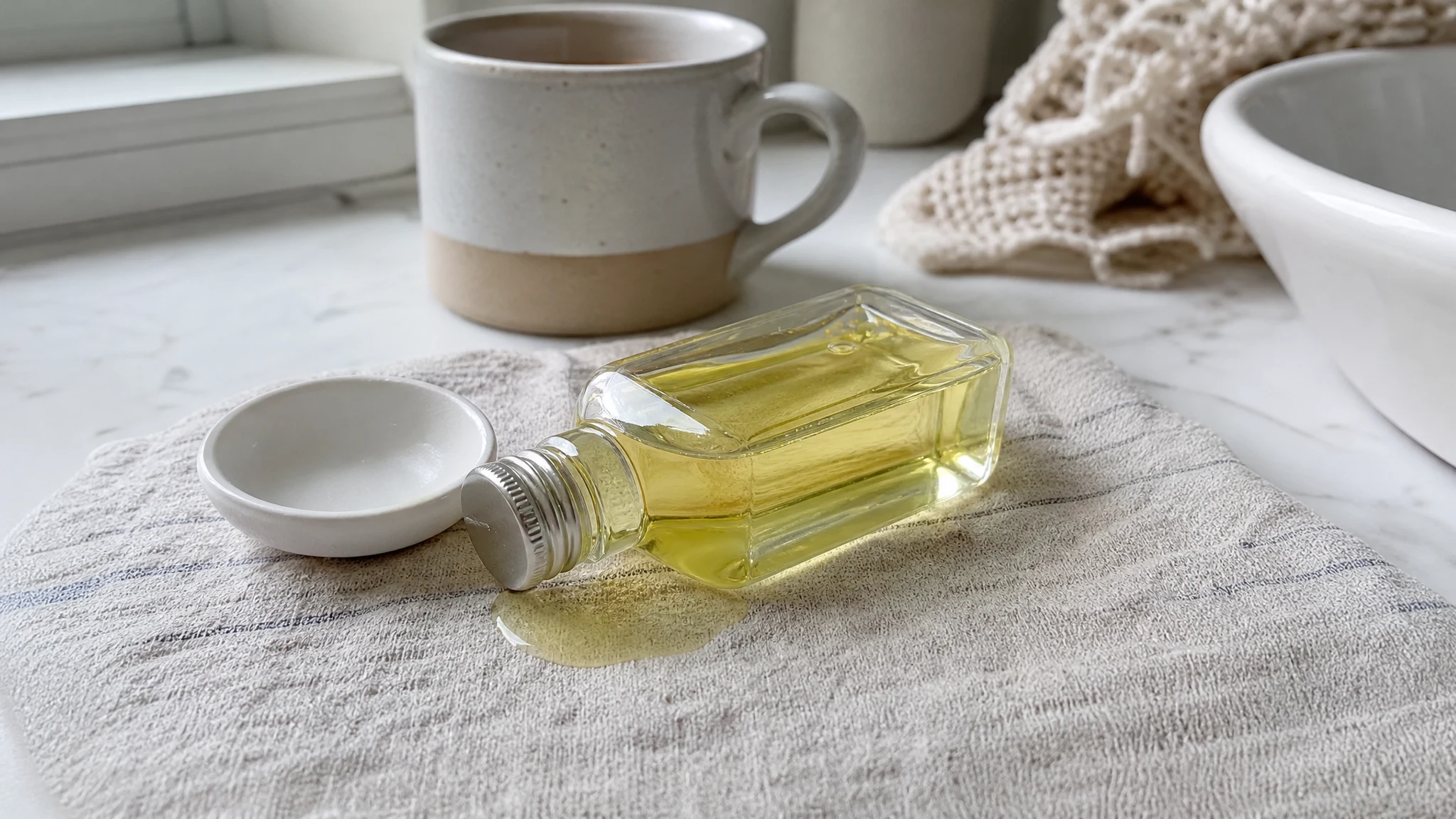
Our Abyssinian oil is light, golden and non-greasy in feel with a mild nutty aroma. For overnight use that matters: a thinner oil is less likely to leave a heavy, slick feeling on a pillow or hair, and that lightness is why many people find it comfortable to sleep in. Some people, particularly with thick, coily or very dry hair, simply prefer the richness of a thicker oil, and that is a perfectly good preference. If a light oil leaves your hair feeling not quite enough, you could warm it first (our hot oil treatment guide covers the how-to) or look at a heavier oil from a craft supply shop. We sell the one oil, so choose what works for your hair.
The practicalities
- Put a towel over your pillow, or wear a soft cotton cap or tied-up braid.
- Patch test a little oil on the inner forearm first, and keep oil away from your eyes.
- When you wash, shampoo twice. The first lather loosens the oil and the second leaves hair feeling clean.
- Wash the towel or pillowcase afterwards.
Skin and hair vary from person to person. If you have a particular scalp or hair concern, check with a dermatologist or professional.
Whichever form you pick, the real pleasure of hair oiling is the pause: a few quiet minutes with something that smells faintly of nuts and feels nice in your hands. See our hair overview for the oil itself.
Abyssinian Oil
Cold-pressed Abyssinian oil, from a small bottle to bulk sizes.
From $11.99
Shop Abyssinian Oil →