Is Crambe Oil Edible? Why Ours Is for Skin and Hair Only
The short answer is no. Our Abyssinian oil, which is crambe seed oil, is a cosmetic oil for external use only, made for skin and hair, and we do not offer it as food or suggest cooking with it. The reasons are interesting, and they come from the way food regulators think about a fatty acid called erucic acid.
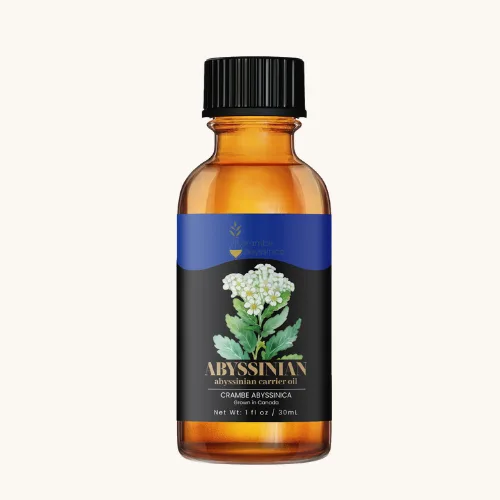
Abyssinian Oil
Cold-pressed Abyssinian oil, in sizes from 0.5 oz to bulk.
From $11.99
Shop Abyssinian Oil →The fatty acid that keeps it out of the kitchen
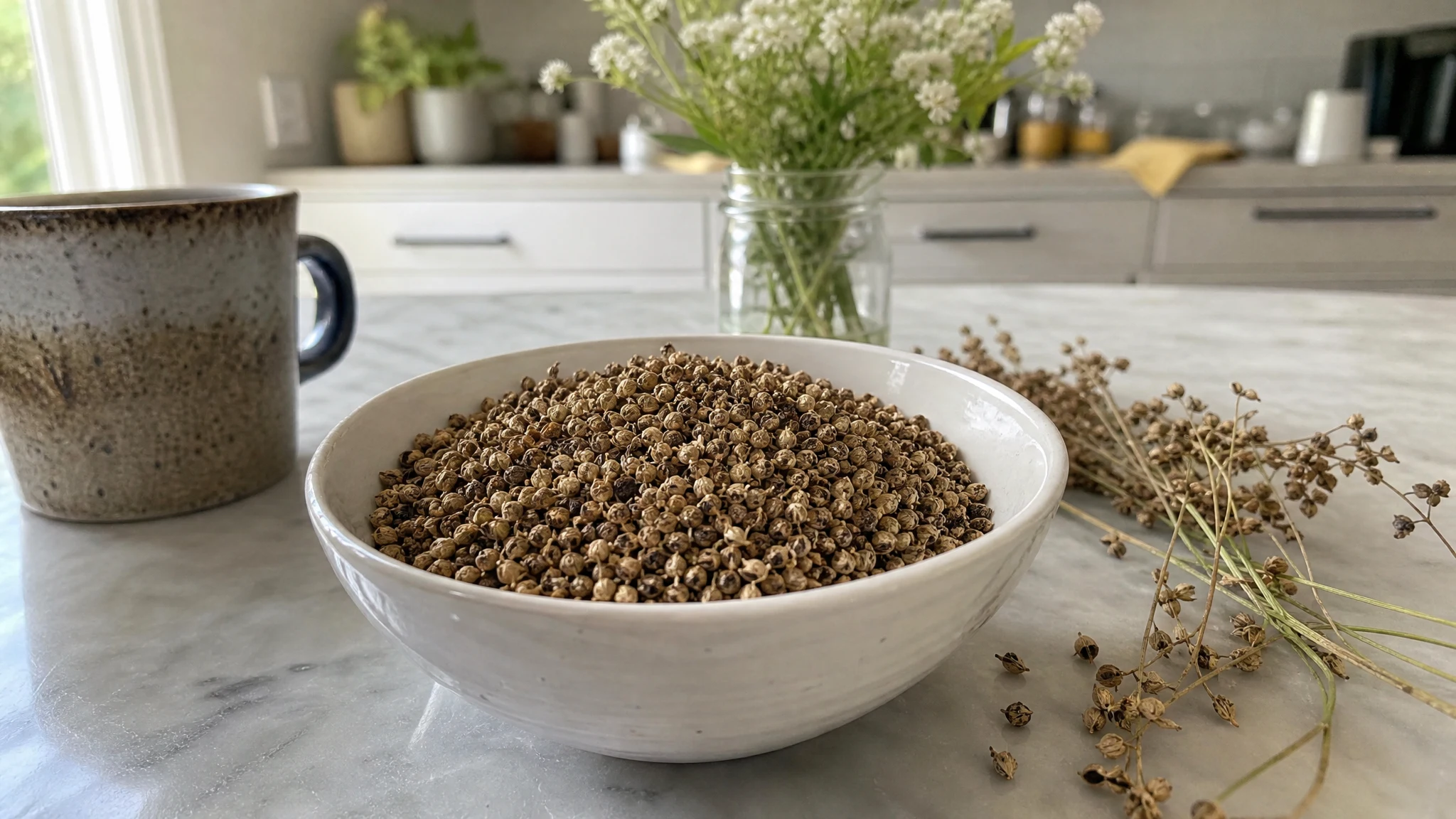
Crambe abyssinica oil naturally contains up to about 60 percent erucic acid, a level researchers say disqualifies it from food production. That is a very different profile from the oils we cook with, and food rules pay close attention to erucic acid.
In the United States, the FDA's regulation for rapeseed oil (21 CFR 184.1555) covers only low erucic acid rapeseed oil, better known as canola, and limits erucic acid to no more than 2 percent of the component fatty acids. In Europe, the European Food Safety Authority looked at the question in a 2016 scientific opinion, "Erucic acid in feed and food". It set a tolerable daily intake of 7 mg per kilogram of body weight, based on animal studies in which high-erucic oils led to fat building up in heart muscle, and it noted that infants and children had the highest dietary exposure.
Neither of those documents is a ruling on crambe oil, and we are not suggesting otherwise. They show how the authorities treat erucic acid in food, and crambe oil sits far on the other side of that line. Our conclusion is a practical one: whatever crambe oil is good for, a salad is not it.
Two different questions
It helps to keep apart two questions that sound alike. Whether an oil is suitable to eat is a question for food regulators, and erucic acid is why crambe oil does not pass it. Whether it is suitable on skin is a question for cosmetic safety reviewers, and there the Cosmetic Ingredient Review concluded in 2017 that Crambe abyssinica seed oil, along with 243 other plant-derived oils, is safe as used in cosmetics. That is a statement about cosmetic use only. It gives no support to eating the oil, adding it to food, or treating it as a supplement, and we do not suggest any of those.
An oil with other jobs
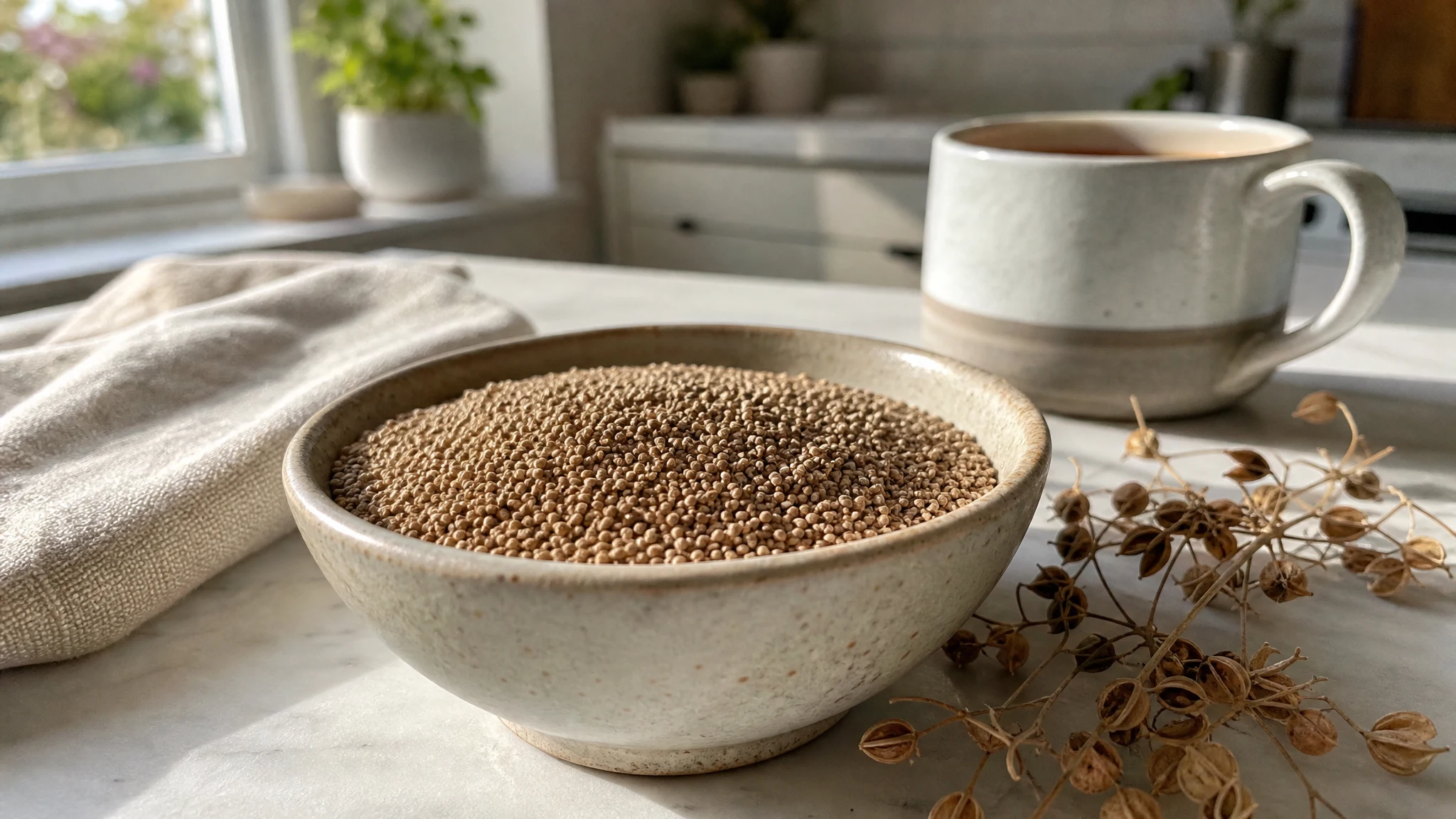
Crambe is grown as an industrial oilseed, so food was never its job. You can read more about the plant in our plant guide, and about how it differs from the oilseeds you know in our comparison with rapeseed and canola. Its animal-feed story is real but different: the seed meal left after the oil is pressed has been studied as protein for ruminants and fish, though researchers note it contains glucosinolates that limit its use unless they are dealt with. That is about animal nutrition, not about the oil in a bottle.
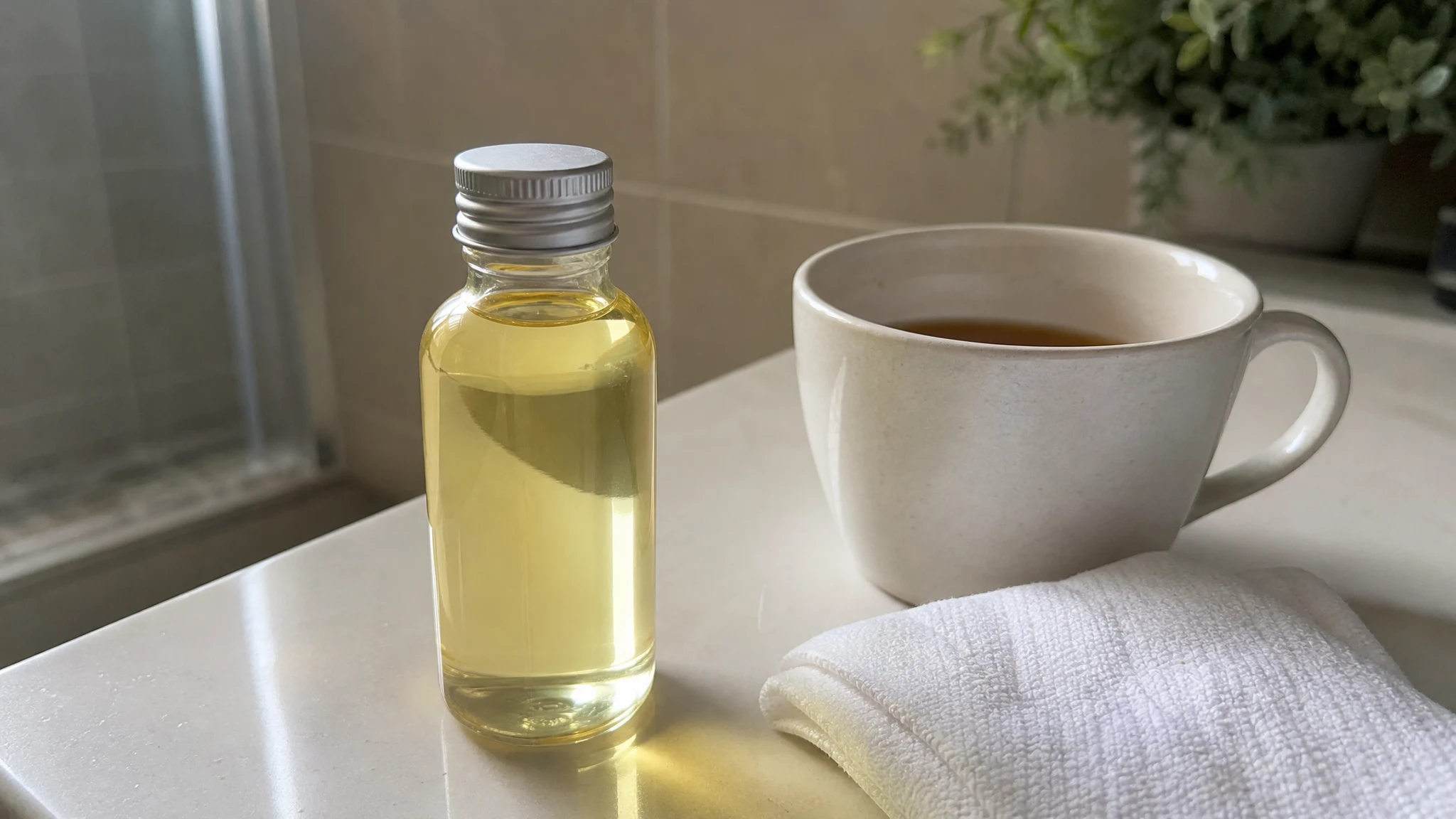
For skin and hair, the same fatty acid mix gives us a light oil. Our fatty acid profile post goes into the chemistry in general terms. Ours is cold-pressed, light golden, with a mild nutty aroma, and we describe it as lightweight and non-greasy.
If it is swallowed
Keep the bottle out of reach of children, as you would any cosmetic. If someone swallows it, or a child gets into it, call Poison Control at 1-800-222-1222, or a doctor. Poison Control describes its service as free, expert and confidential, and you do not need to wait for symptoms to ask.
For regular skin use, the usual guidance applies: patch test first and avoid your eyes. We go through the whole routine in our safety guide.
A cosmetic oil that stays a cosmetic oil, in a bathroom cabinet rather than a kitchen cupboard, is working exactly as intended.
Abyssinian Oil
Cold-pressed Abyssinian oil, from a small bottle to bulk sizes.
From $11.99
Shop Abyssinian Oil →Sources & Further Reading
- Pushkarova N, Yemets A. "Biotechnological approach for improvement of Crambe species as valuable oilseed plants for industrial purposes." RSC Advances, 2022. doi.org
- Electronic Code of Federal Regulations. "21 CFR 184.1555 Rapeseed oil." ecfr.gov
- EFSA Panel on Contaminants in the Food Chain. "Erucic acid in feed and food." EFSA Journal, 2016. doi.org
- Burnett CL, et al. "Safety Assessment of Plant-Derived Fatty Acid Oils." International Journal of Toxicology, 2017. PubMed
- Poison Control. "Poison Control | Your trusted resource." poison.org