Does Abyssinian Oil Go Bad? Storage and the Smell Test
Every plant oil will eventually go off, and Abyssinian oil is no exception. The good news is that you have more say in when than you might think, because the things that spoil an oil are few and easy to manage: heat, light and air. A little attention to where the bottle lives goes a long way.
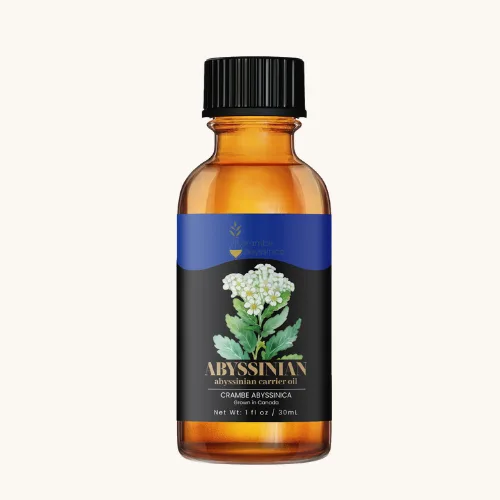
Abyssinian Oil
Cold-pressed Abyssinian oil, in sizes from 0.5 oz to bulk.
From $11.99
Shop Abyssinian Oil →What is actually happening in the bottle
Oils go rancid through oxidation, a slow reaction with oxygen that produces the volatile compounds you smell as rancidity. Research on cosmetic and food oils notes that light and heat speed it along, and that auto-oxidation, the reaction with oxygen in the air, is the main route. It also depends on what the oil is made of. Oils with many double bonds in their fatty acids, such as rosehip, are less stable. Oils built from monounsaturated fats, as jojoba is, resist it better.
That is where Abyssinian oil gets interesting. Published analyses of crambe oil describe it as rich in erucic acid, a monounsaturated fatty acid, which we explain in our post on the fatty acid profile. From that, it is reasonable to expect it to hold up better than a heavily polyunsaturated oil. That is an expectation based on its composition, and not a date we can give you. We do not state a shelf life for our oil, and the date printed on your own bottle is the one to follow.
The smell test
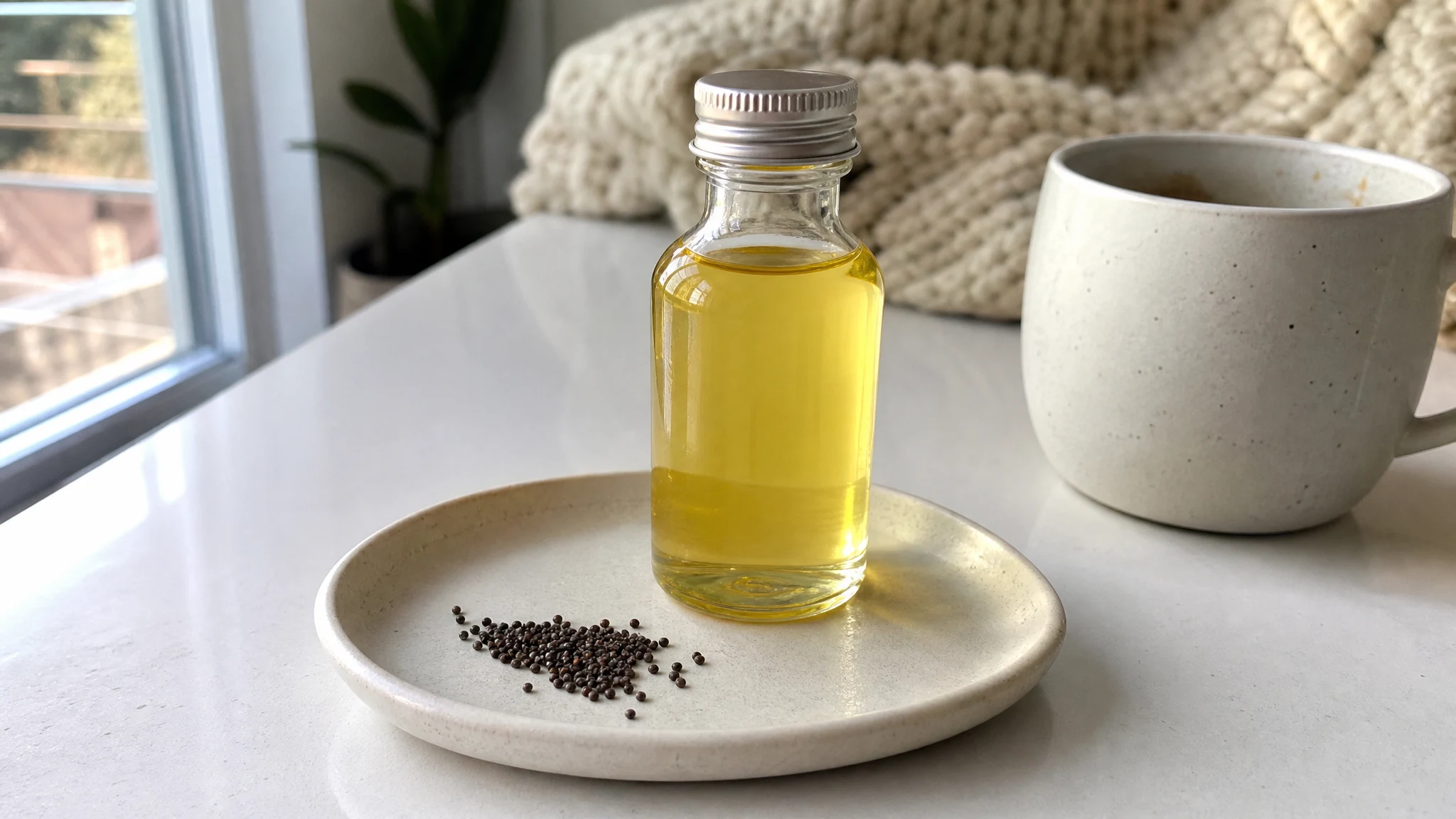
Your nose is the best tool you have. An oil that has turned tends to smell sharp, sour or metallic, and a common comparison is crayons. Fresh Abyssinian oil has a mild, nutty aroma, so a change toward something harsh, waxy or paint-like is your cue.
A smart habit is to smell your oil on the day you open it, so you have a baseline. Cooking sources make the same point about unrefined oils: a strong natural aroma can mask a developing off note, so it helps to know how the bottle smelled when it was new. A rancid oil is no longer worth putting on skin or hair, and replacing a bottle costs far less than a bad experience.
Where to keep it
Given what causes oxidation, the storage rules write themselves:
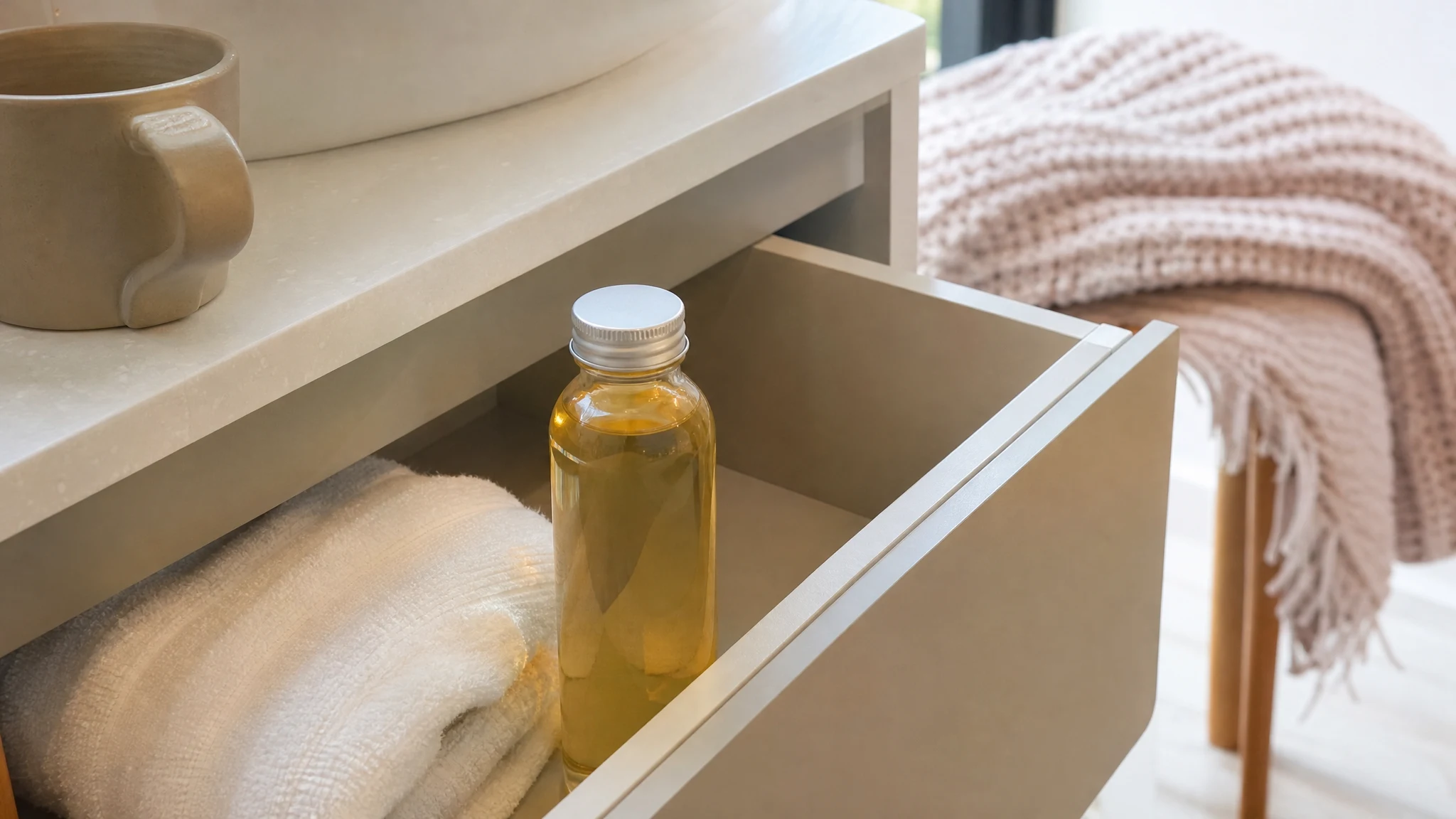
- Cool. A cupboard or drawer beats a bathroom windowsill or the shelf above a heater or hot shower.
- Dark. Light speeds oxidation, so keep it out of direct sun. Tinted glass or a closed cupboard both help.
- Capped. Every time the cap is off, fresh oxygen gets in. Close the bottle promptly and keep the neck wiped clean.
And keep your fingers out of it. Pour a few drops into your palm, not the other way round.
Match the size to how you use it
This is the part we would encourage most. Each time you open a bottle, you let in air, and a half-empty large container has more air in it than a full small one. So buy for the pace you actually use it. A 0.5 oz bottle suits trying the oil, or an occasional few drops. Our sizes run from 1 oz and 2 oz up through 4, 8 and 16 oz for regular users. Every size is the same oil, bottled from the same lots, so starting small costs you nothing in quality.
If you do buy larger, such as a bulk container for a hair care or skincare line, decant it. Keep a small working bottle for daily use and leave the main container sealed until you need a refill. Fewer openings means less air, and our bulk buying guide and wholesale page cover how to size an order to your use rate.
For makers and formulators
If the oil goes into your own products, storage becomes part of the recipe, because an oil that turns in a jar will turn in a formula too. There is more on that in Abyssinian oil oxidative stability, and a refresher on what the oil is in what Abyssinian oil is.
Treat the oil like fresh produce that happens to keep well, store it cool, dark and closed, and trust your nose.
Abyssinian Oil
Cold-pressed Abyssinian oil, from a small bottle to bulk sizes.
From $11.99
Shop Abyssinian Oil →Sources & Further Reading
- Oxidative Stability and Kinetics of Oxidation of Rosehip, Sunflower, Olive and Jojoba Oils (Antioxidants, 2026)
- How to Tell If an Oil Is Rancid (America's Test Kitchen)
- Biotechnological approach for improvement of Crambe species as valuable oilseed plants for industrial purposes (RSC Advances, 2022)