Why Is My Oil Cloudy? What Cold Weather Does to Plant Oil
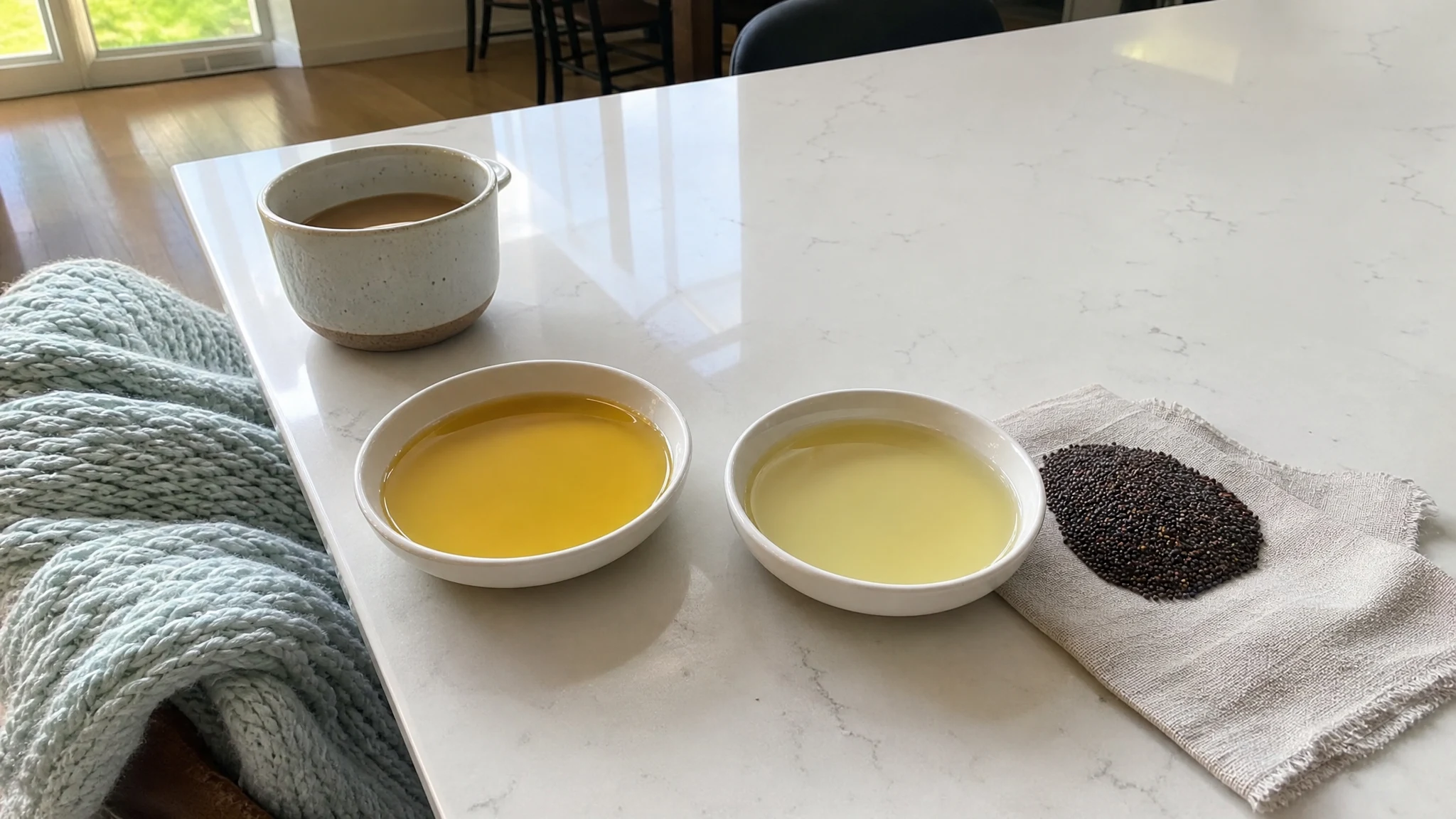
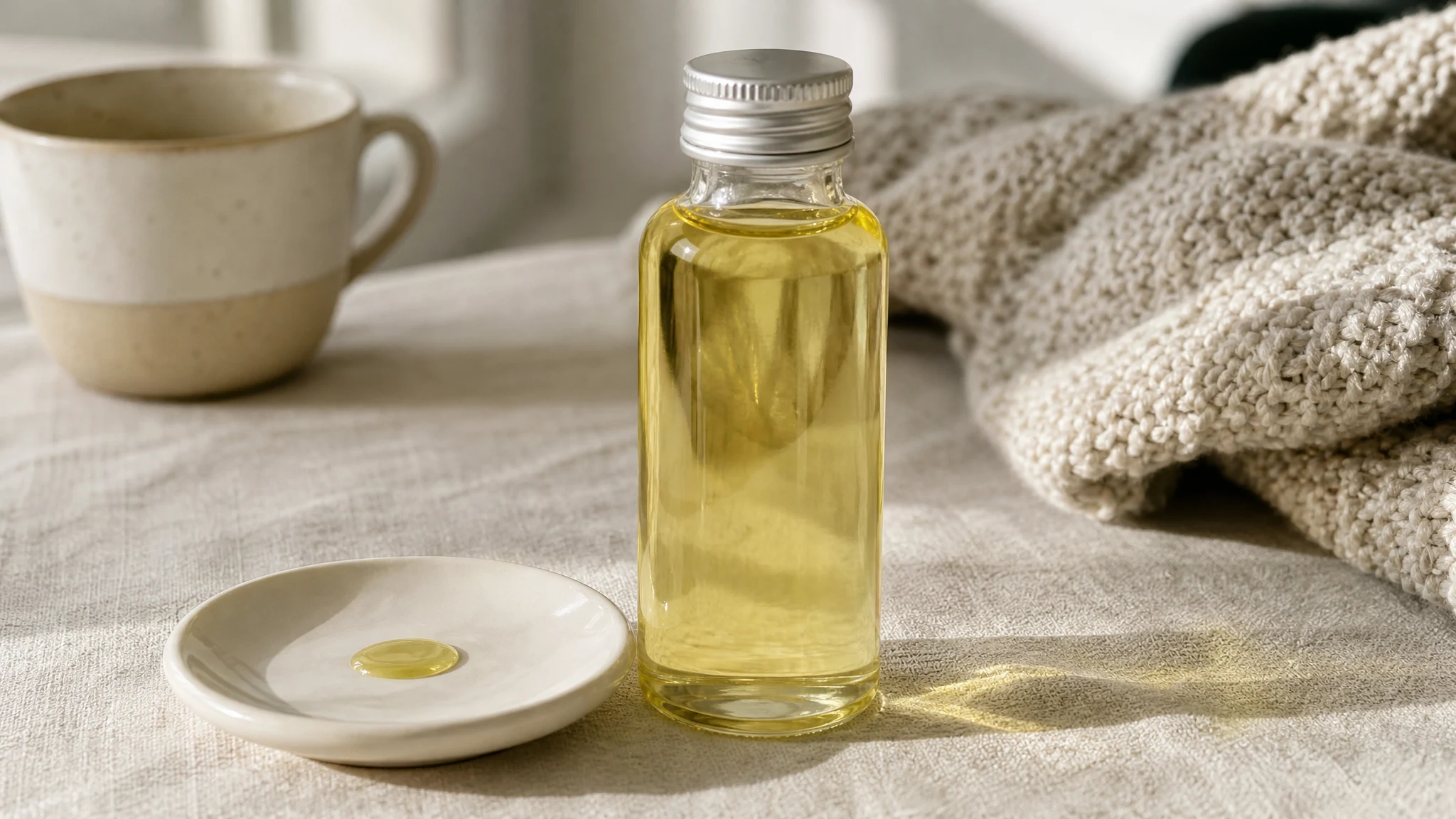
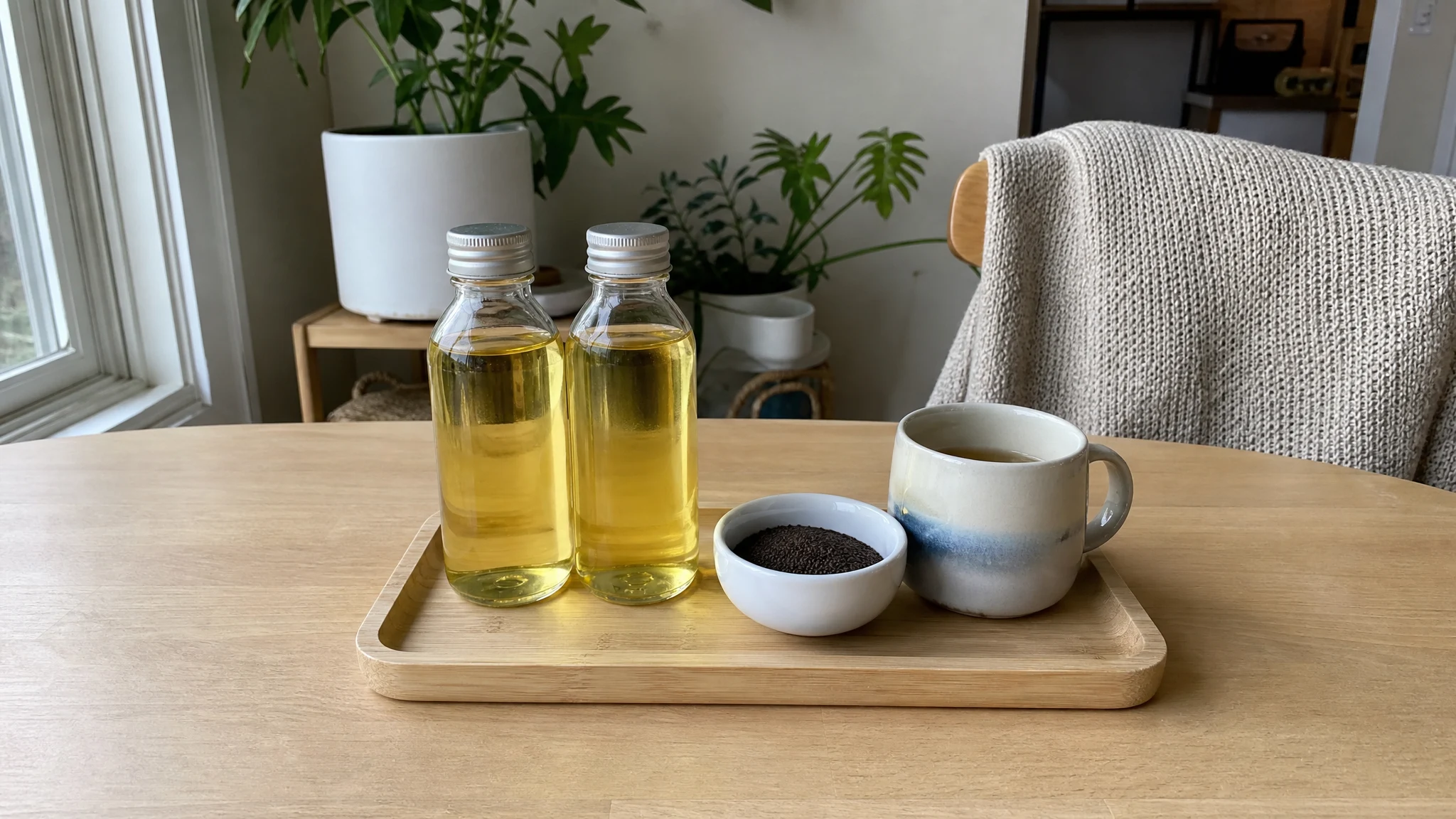
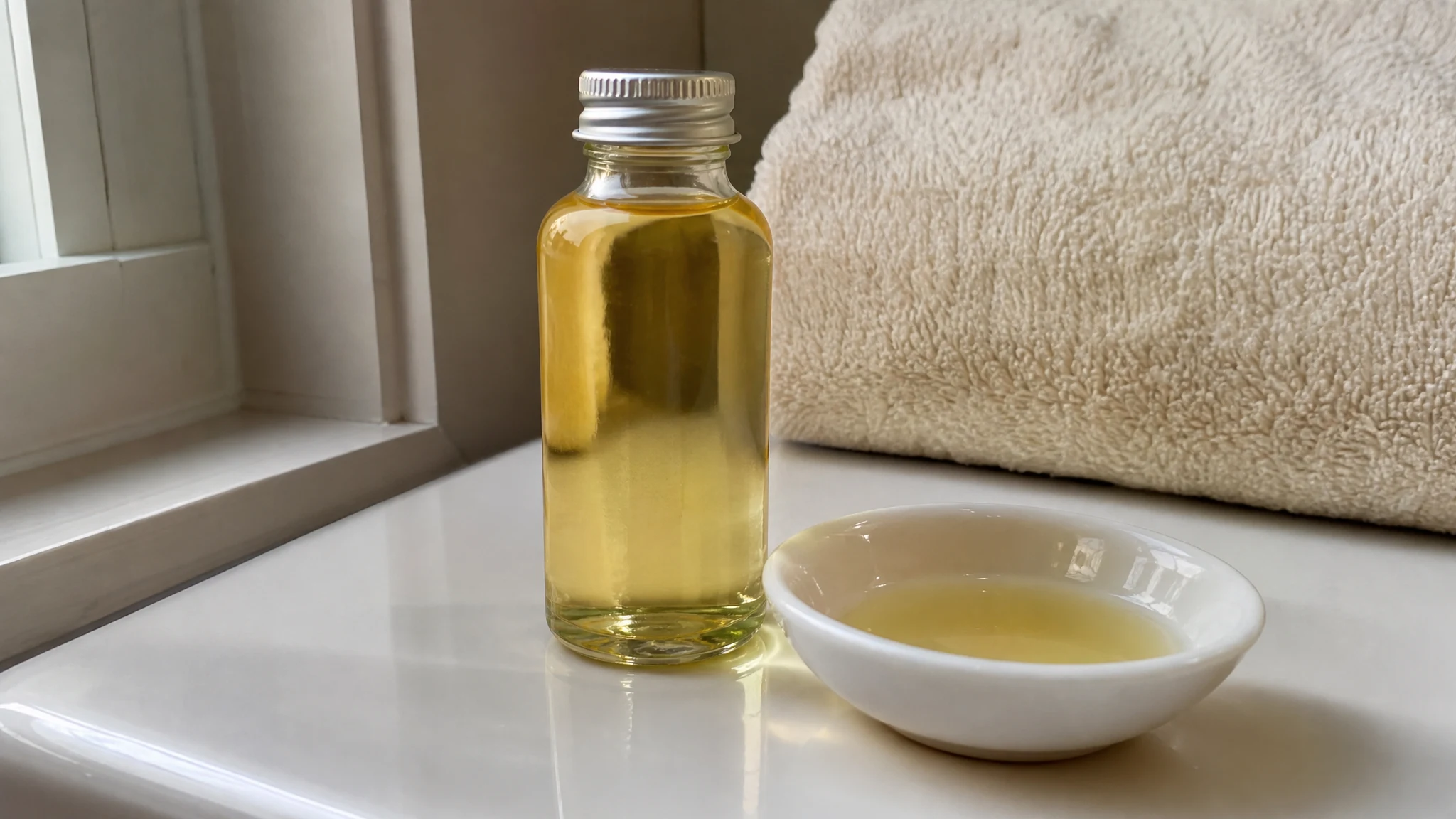
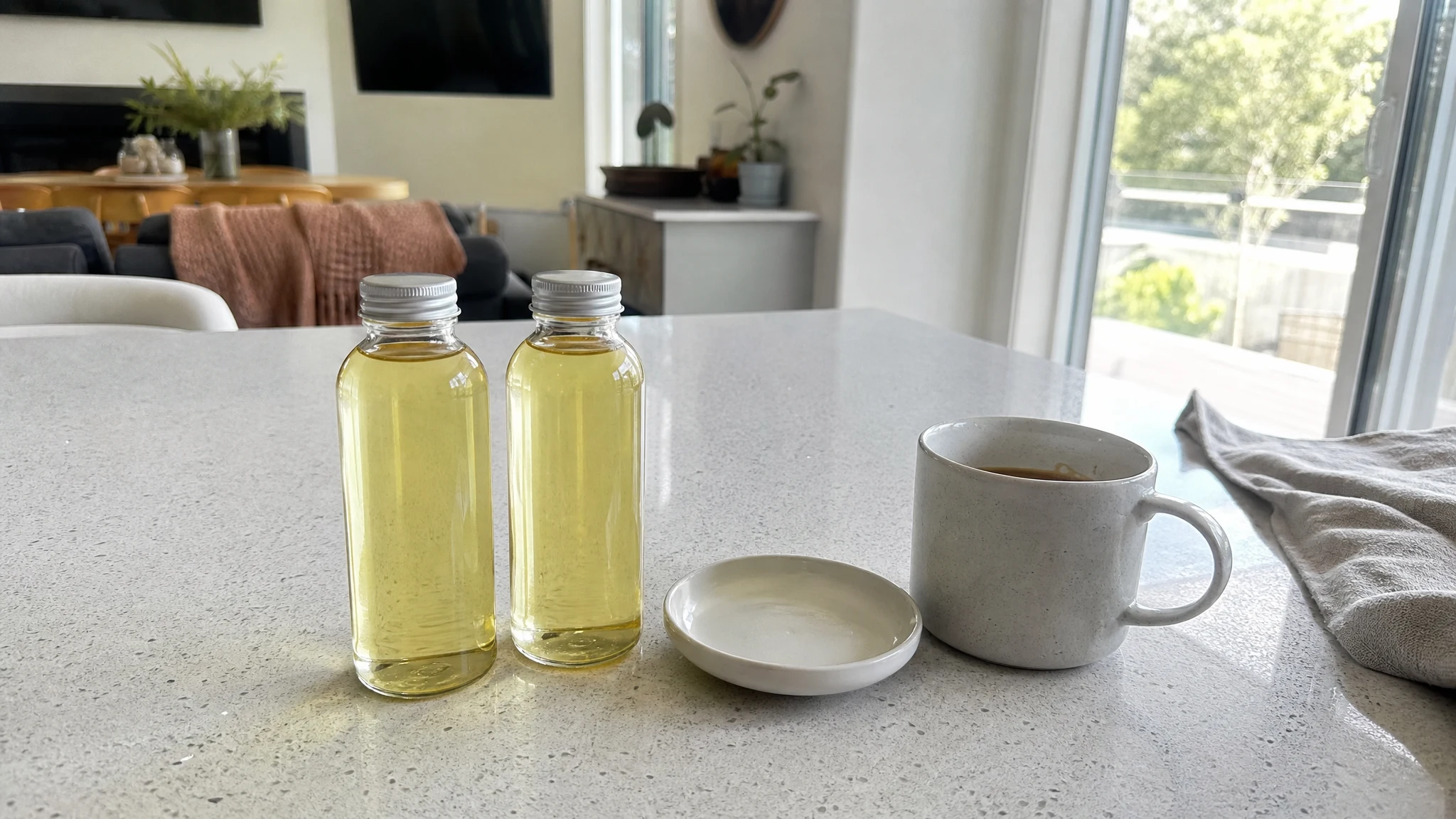
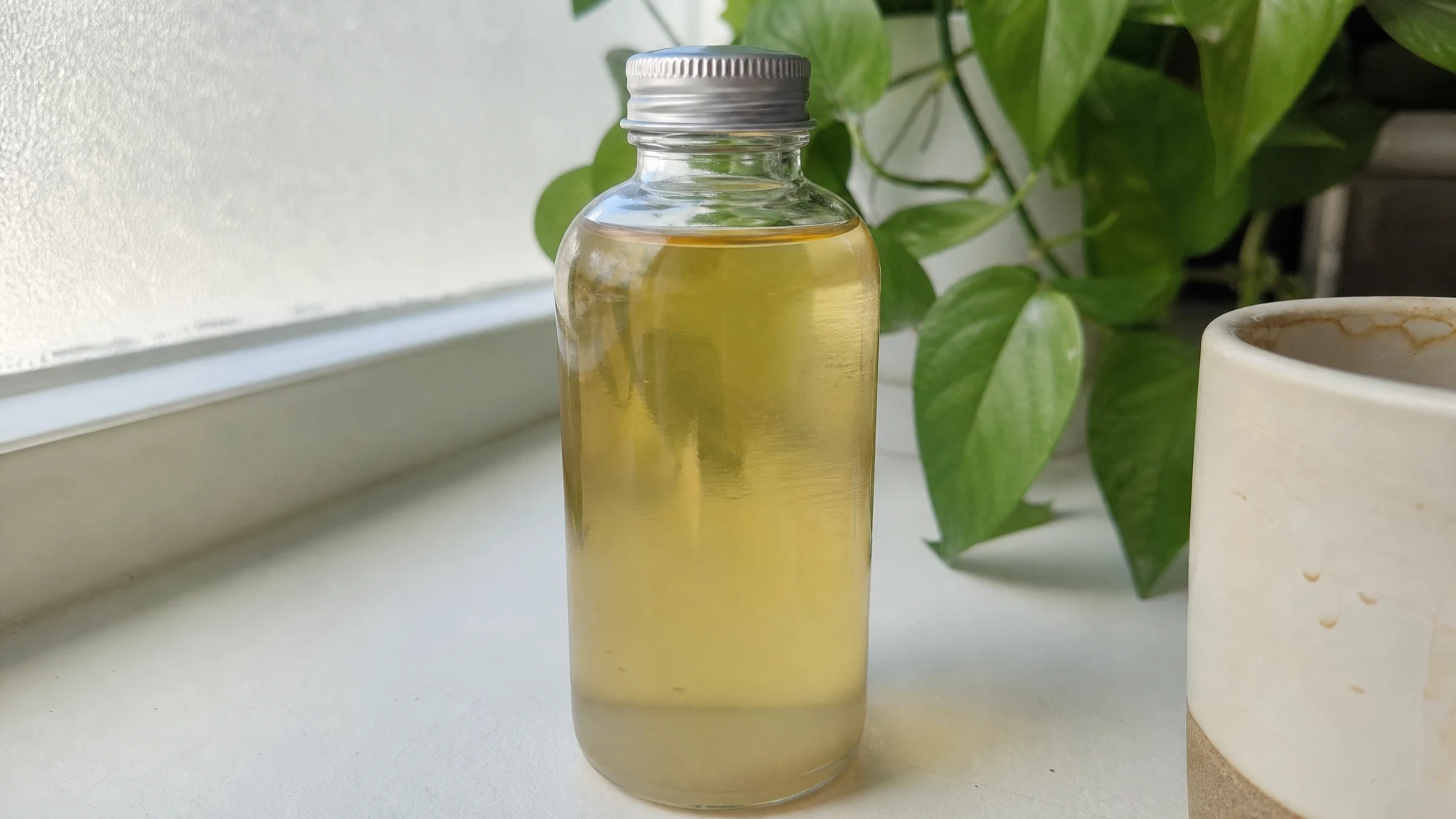
You reach for the bottle on the windowsill after a cold night and the oil that was clear yesterday looks hazy, maybe with a faint white cloud at the bottom. It is a small moment of alarm, and it deserves a calm answer. Cold does this to plant oils, and in most cases it is something you can simply undo.
Abyssinian Oil
Cold-pressed Abyssinian oil, in sizes from 0.5 oz to bulk.
From $11.99
Shop Abyssinian Oil →What is happening in the bottle
A plant oil is not one substance but a mixture of many, and each part has its own melting point. As the temperature drops, the parts with the higher melting points are the first to start forming tiny crystals. Those crystals scatter light, so the oil looks cloudy instead of clear. Food chemists even named a processing step after the effect: winterization, cooling an oil so that these components crystallize and can be filtered out. One review of oil refining puts the cause plainly: the hazy look comes from dissolved waxes dropping out of solution when the oil is cold.
Waxes are not the only candidates. Crambe belongs to the same plant family as mustard, and a recent study that chilled mustard oil, which is rich in the same erucic acid that dominates crambe oil, found that erucic acid has a relatively high melting point, reported at 28 to 32 degrees Celsius, and it crystallized and concentrated in the solid fraction. So it is reasonable to expect crambe oil, being erucic-rich, to show cold behavior of a similar kind. That is reasoning from related oils, not a measurement of any particular bottle, and how cold it takes will vary from oil to oil.
How to clear it
Because the crystals are a physical change, warmth reverses it. Bring the bottle indoors and leave it at room temperature for a while, giving it a gentle swirl now and then. Holding it in your hands speeds things along. Skip the microwave and avoid anything hot, because heat is hard on delicate plant oils and cold is the only thing that caused this. When the oil is clear again, it is ready to use.
If you keep oils in a cool room, a simple habit helps: store the bottle away from cold windowsills and exterior walls, somewhere steady, and out of direct sun. Our guide on storage and the smell test covers the full routine.
Cloudy because of cold, or because it has aged?
Cold haze and an oil that has gone off are two separate things, and a quick check tells them apart. First, warm the oil. If the cloudiness disappears and the oil returns to a clear light gold, it was the cold. Second, smell it. Rancid oil is usually described as smelling like crayons, metal or something sour, so you want a smell that is mild and clean. Smelling a fresh bottle when you first open it gives you a baseline to compare against later.
Oxidation, which is what happens when oil ages, is driven by light, heat and air rather than by cold, and our post on oxidative stability explains the difference in more depth.
If you are not sure
If the oil is still hazy after it has been at room temperature for a good while, or the smell seems off, write to us through the contact form and we will take a look with you. If you reach for the oil for a fine-hair finishing routine, a few minutes of waiting for it to warm up costs you nothing.
A cloudy oil on a cold morning is a reminder that a plant oil is a natural material, not a manufactured fluid. Give it some warmth and a sniff, and you will almost always have your answer.
Abyssinian Oil
Cold-pressed Abyssinian oil, from a small bottle to bulk sizes.
From $11.99
Shop Abyssinian Oil →Sources & Further Reading
- Refining Vegetable Oils: Chemical and Physical Refining (The Scientific World Journal 2022)
- Sunflower Oil Winterization Using the Cellulose-Based Filtration Aid: Investigation of Oil Quality during Industrial Filtration Probe (Foods 2023)
- Temperature-Assisted Crystallization of Mustard Oil for Erucic Acid Reduction and Its Impact on Phenolic Compounds, Sterols and Oxidative Quality of Oil During Ambient Storage (Food Sci Nutr 2026)
- How to Tell If an Oil Is Rancid (America's Test Kitchen)