Low Scent Carrier Oil: Let Your Fragrance Take the Lead
Think of a carrier oil as the room a fragrance is played in. A quiet room lets a delicate scent be heard; a noisy one talks over it. Every plant oil has some aroma of its own, and that is exactly why the choice of carrier matters when you blend. Here is how to pick one that stays out of the way.
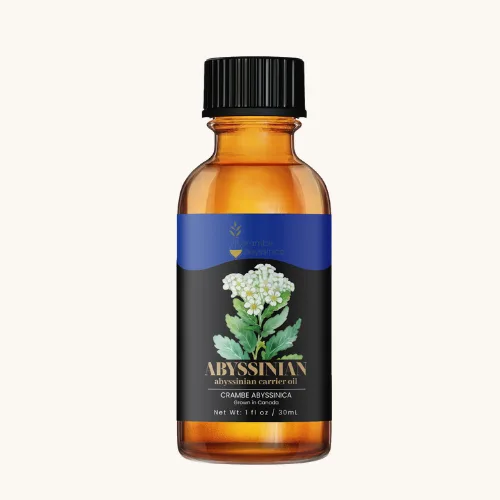
Abyssinian Oil
Cold-pressed Abyssinian oil, in sizes from 0.5 oz to bulk.
From $11.99
Shop Abyssinian Oil →No oil is truly silent
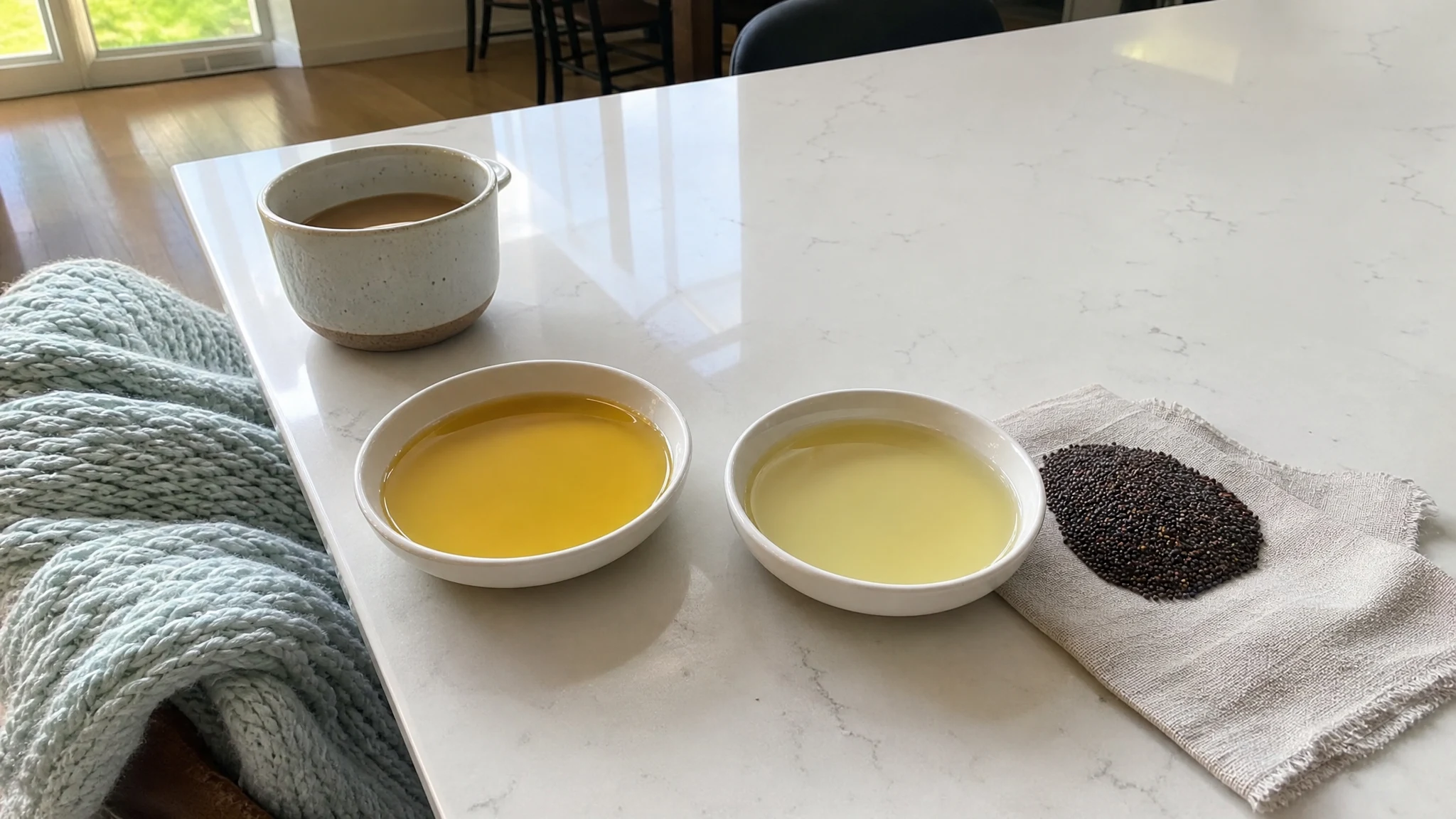
Oils smell like where they came from, and how they were treated since. Cold-pressed hemp seed oil is a good example: a sensory study of sixteen commercial cold-pressed hemp oils listed seeds, nutty, toasted nutty and hay among the main aromas, with herbs and grass as secondary notes. Extra virgin olive oil goes the other way, leaning green and bitter, with grassy compounds like hexanal in its volatiles. Both are lovely on their own. Either would lean over a soft scent.
At the other end, refining quiets an oil. Refining includes a deodorizing step, and a refined olive oil, for instance, was described in one recent study as milder, with a less complex aroma and weaker green character than extra virgin. That is the trade: a refined oil tends to say less, while a cold-pressed one keeps more of its character.
Where Abyssinian oil sits
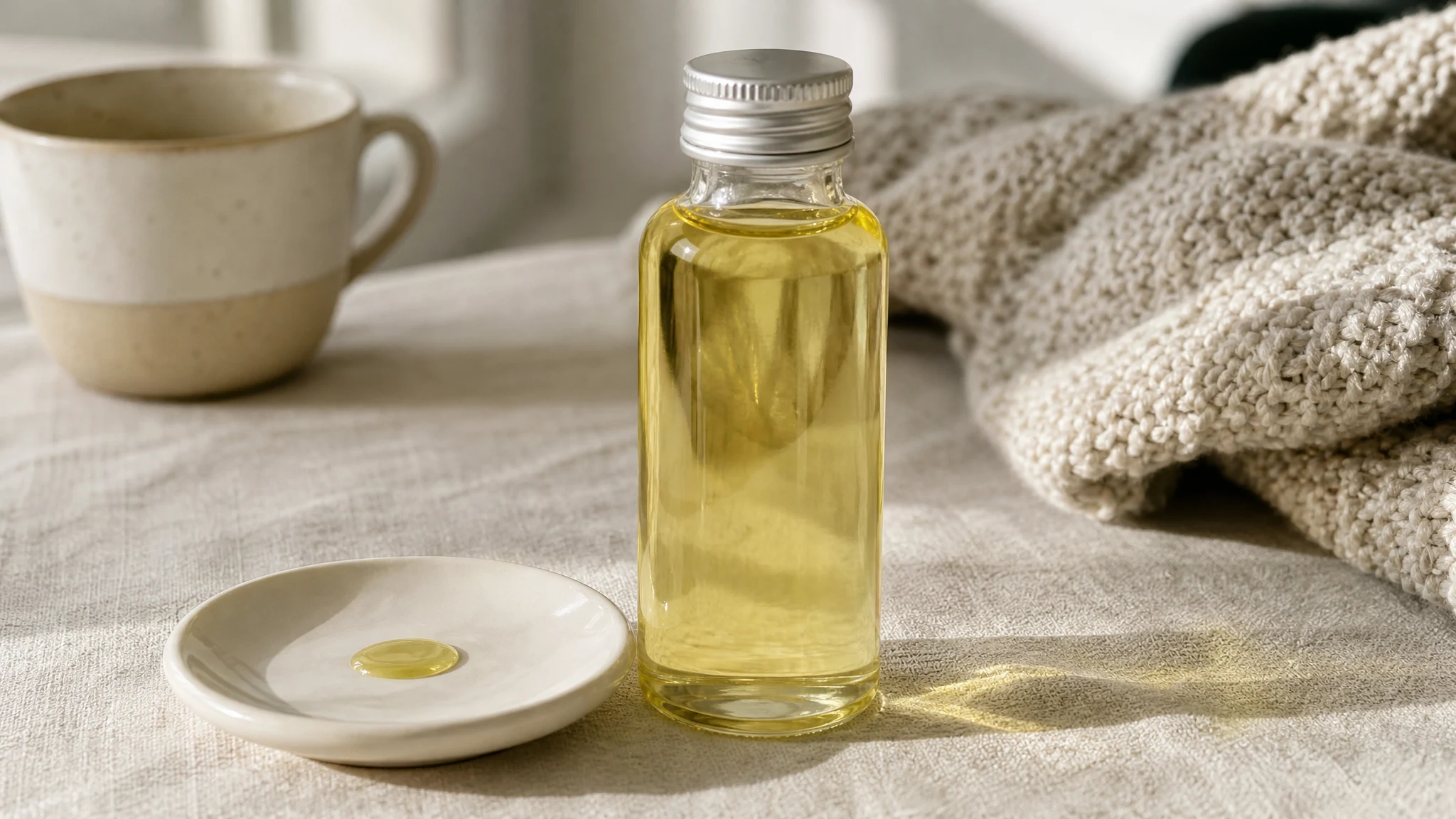
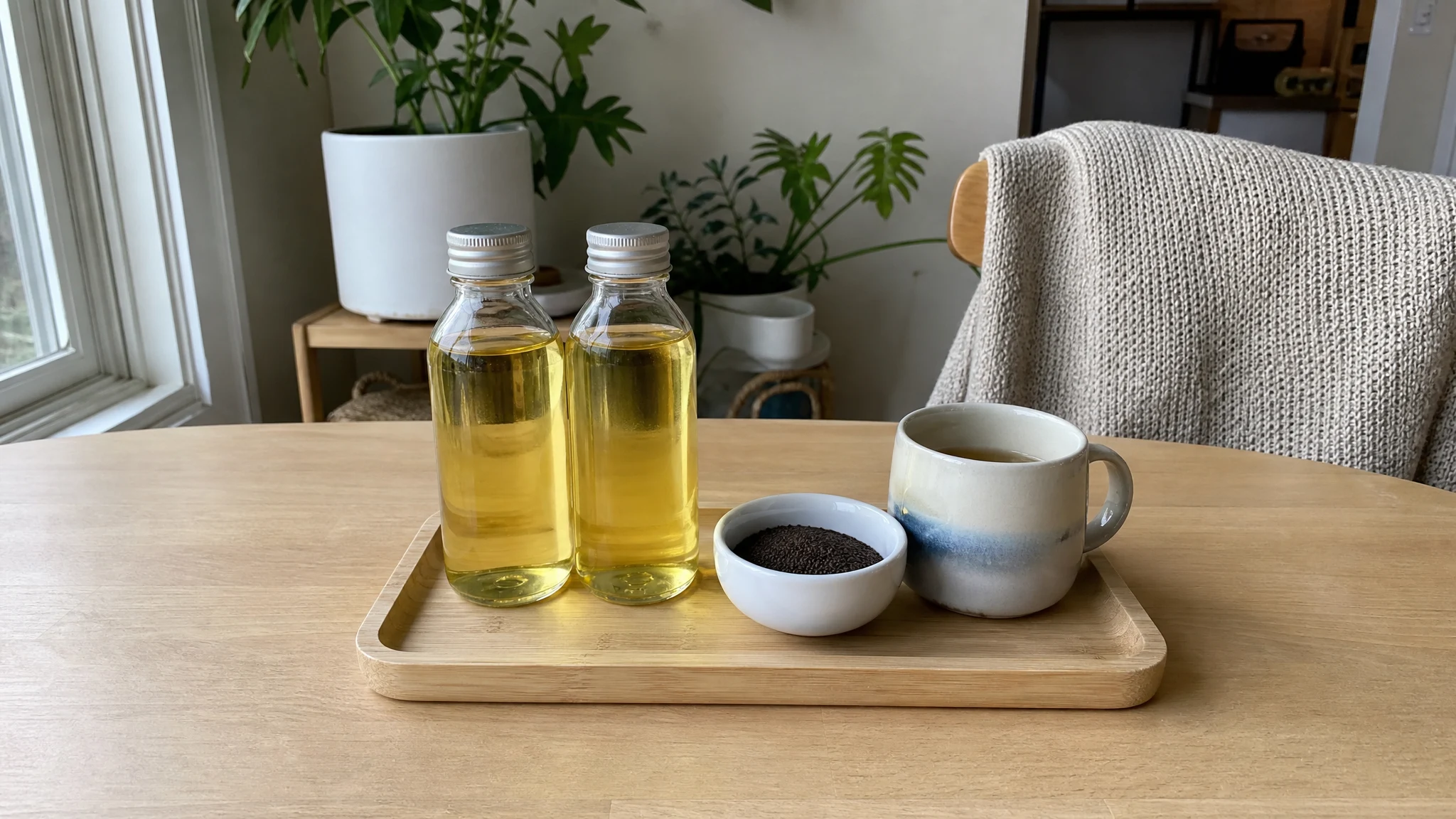
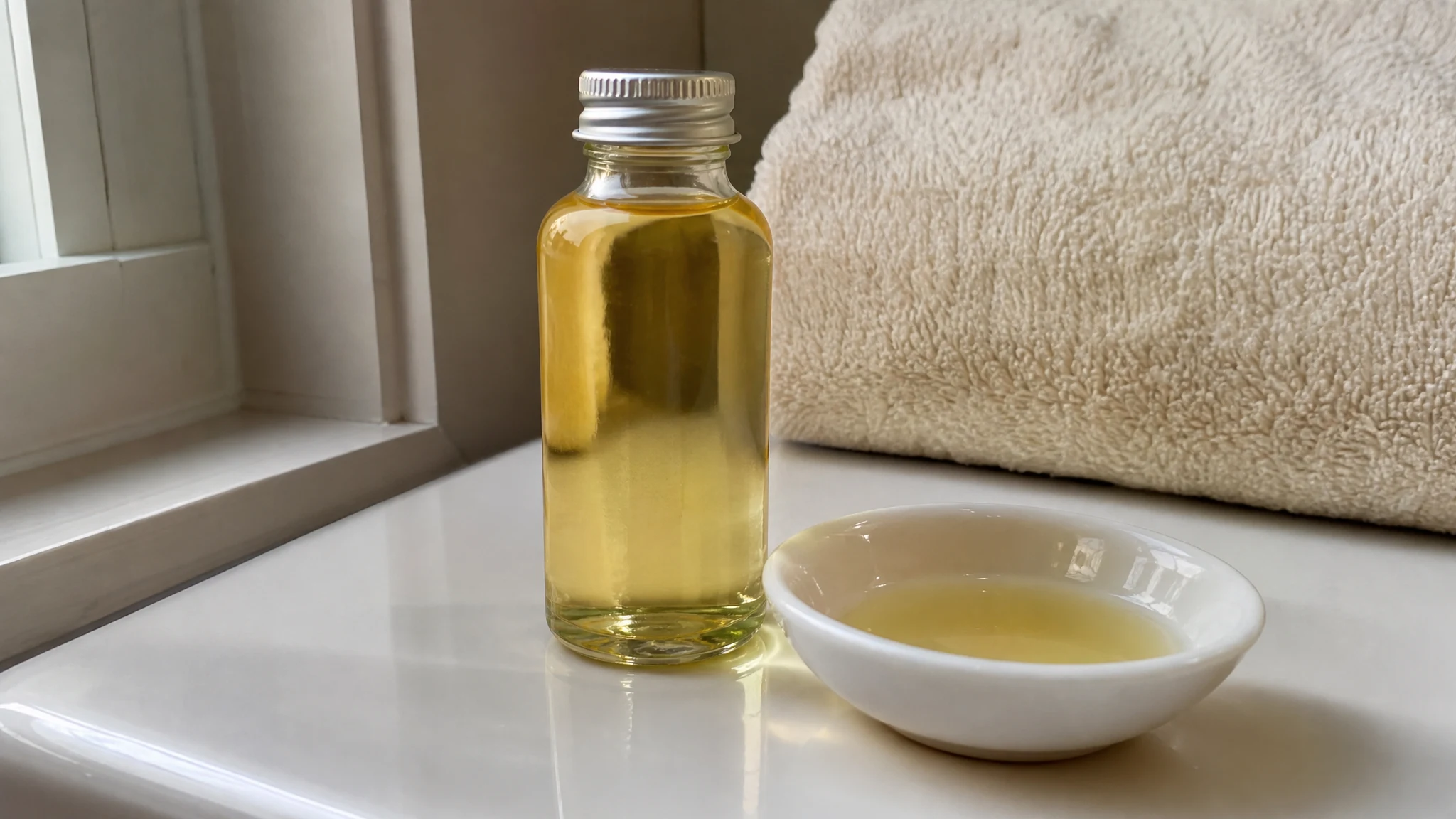
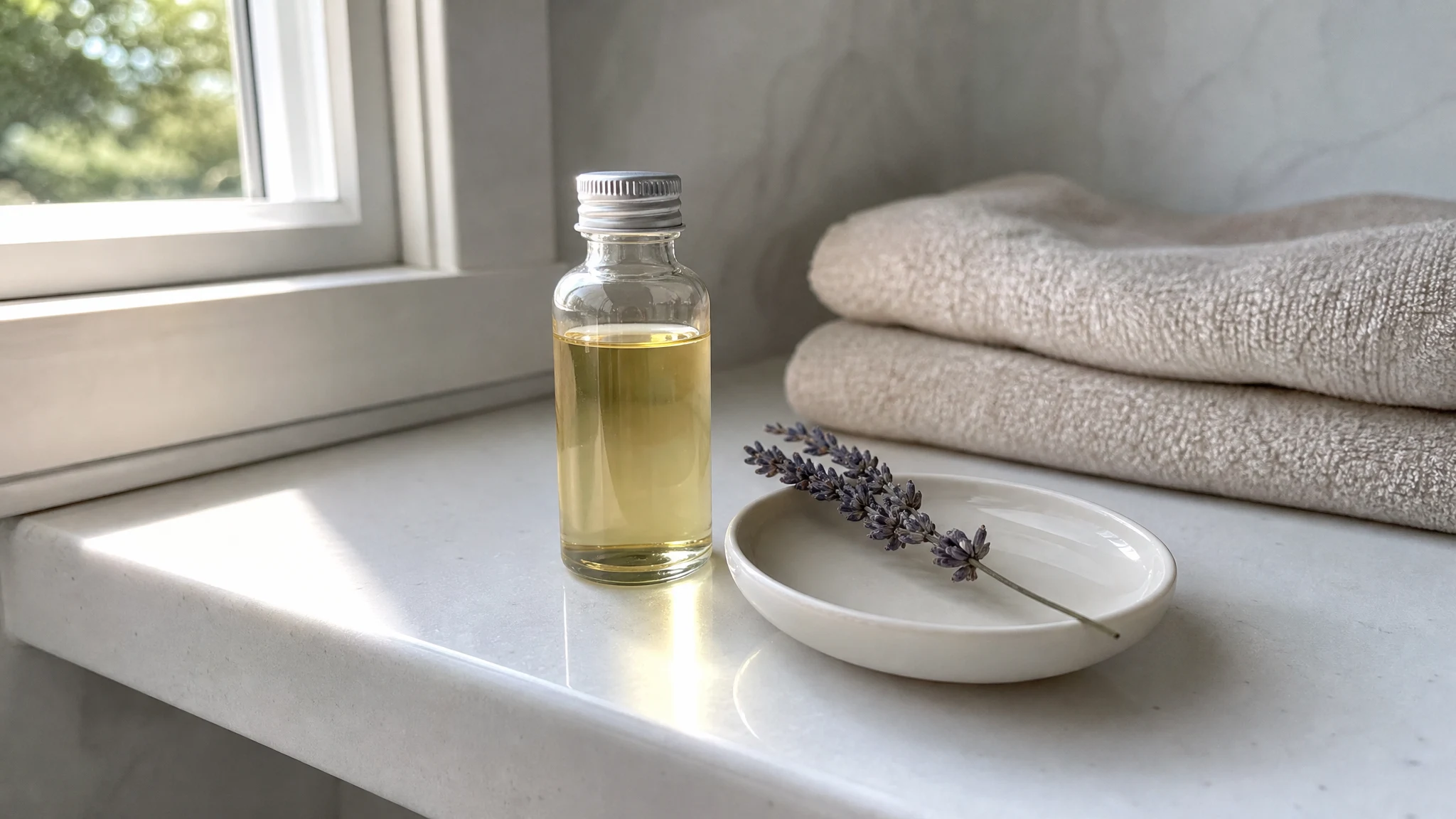
We are straightforward about this: our Abyssinian oil is cold-pressed, light and golden, with a mild, nutty aroma. Mild is not the same as odorless, and we would not want you to expect no scent at all. In practice, a gentle nutty note is quiet enough to sit underneath most fragrances rather than compete with them, and, we would expect, softer than a hemp or extra virgin olive base. That is our reasoning from how the oil smells, not a measurement.
It also tells you what to expect from a bolder blend. A strong citrus or herbal fragrance will carry straight over the top. A very delicate, airy one will let a little of the oil's warmth through, and some people like that: the nutty note can read as a soft, rounded base. If you want to explore pairings, our pairing ideas are a good place to start, and the dilution worked-out post gives you the arithmetic.
A two-minute test before you blend
Whatever carrier you choose, smell it on its own first. Put a small drop on the back of your hand, rub it in and breathe in a few seconds later, because the aroma shifts as the oil warms on skin. Then decide whether the oil's own note is one you want in the finished blend, since the fragrance will have to share space with it.
Keep the fragrance light. Tisserand's guideline range for facial products is 0.5 to 1.2 percent, and the Institute says to start low and increase only if needed. A low percentage also helps with this very question, because a smaller amount of fragrance is easier to judge against the base oil's own note. Essential oils themselves are sold at aromatherapy shops, not here. We offer the carrier.
Choosing between carriers
There is no single right answer, because the best carrier depends on what you are scenting and who it is for.
If you are still deciding, compare a few oils side by side: our plain chart of carrier oils sets Abyssinian oil beside the others, and the grapeseed comparison covers another light-feeling choice. Sensory preferences differ. Someone who loves a toasted-nut note will pick a different base from someone who wants a clean slate.
The best low-scent carrier is the one whose aroma you have actually smelled and liked next to the fragrance you plan to use. Let your nose make the final call, and let the fragrance be the star.
Abyssinian Oil
Cold-pressed Abyssinian oil, from a small bottle to bulk sizes.
From $11.99
Shop Abyssinian Oil →Sources & Further Reading
- Sensory Wheel and Lexicon for the Description of Cold-Pressed Hemp Seed Oil (Foods 2023)
- Neurophysiological Responses to Extra Virgin and Refined Olive Oils: A Pilot Study Combining Flavor Profiling, Electroencephalogram, and Standardized Low-Resolution Brain Electromagnetic Tomography (Food Sci Nutr 2026)
- Color Reversion of Refined Vegetable Oils: A Review (Molecules 2023)
- Dilution for essential oils (Tisserand Institute)