Crambe Seed Oil Phytosterol Esters: What the Label Means
You turn a hair cream over to read the ingredients and there it is, a mouthful: Crambe Abyssinica Seed Oil Phytosterol Esters. It sounds like our oil, and it comes from the same plant, but it is a different ingredient with a different job. Here is how to read that name, and why the difference matters when you are choosing what goes on your hair and skin.
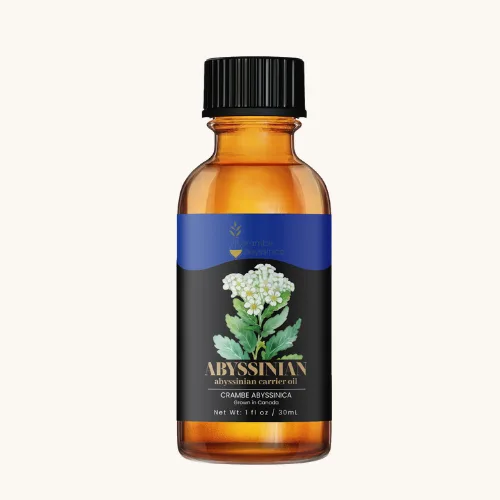
Abyssinian Oil
Cold-pressed Abyssinian oil, in sizes from 0.5 oz to bulk.
From $11.99
Shop Abyssinian Oil →Decoding the name, piece by piece
Ingredient lists use INCI names, a shared naming system so the same ingredient reads the same way on every label. The first half, Crambe Abyssinica Seed Oil, is the oil pressed from the seeds of the crambe plant. The second half tells you what happened next. According to the CosIng listing, this ingredient is the complex mixture of esters formed by reacting that seed oil with phytosterols.
Phytosterols are plant sterols, natural components of seed oils; a published analysis of crambe seed oil found beta-sitosterol to be its main sterol. An ester is simply what you get when one kind of molecule is chemically joined to another. So this ingredient is the crambe oil after a deliberate chemical step, a modified derivative made in a factory to behave differently from the oil it started as.
What it is there to do
CosIng lists four functions for it: film forming, hair conditioning, skin conditioning and emulsifying. Read those as a formulator would. A film former leaves a thin, even layer on hair or skin. A conditioning agent leaves them feeling softer and smoother. An emulsifying ingredient helps oil and water stay blended in a cream or lotion. It is a working ingredient that formulators reach for to give a product a certain texture and finish, and that is a perfectly respectable job.
The plain oil is listed more simply. CosIng describes Crambe Abyssinica Seed Oil as the oil expressed from the seeds, with hair conditioning and skin conditioning as its functions. If you want the full story of the different names crambe oil travels under, our guide to Abyssinian oil and crambe oil names walks through it.
Phytosterol esters vs Abyssinian oil
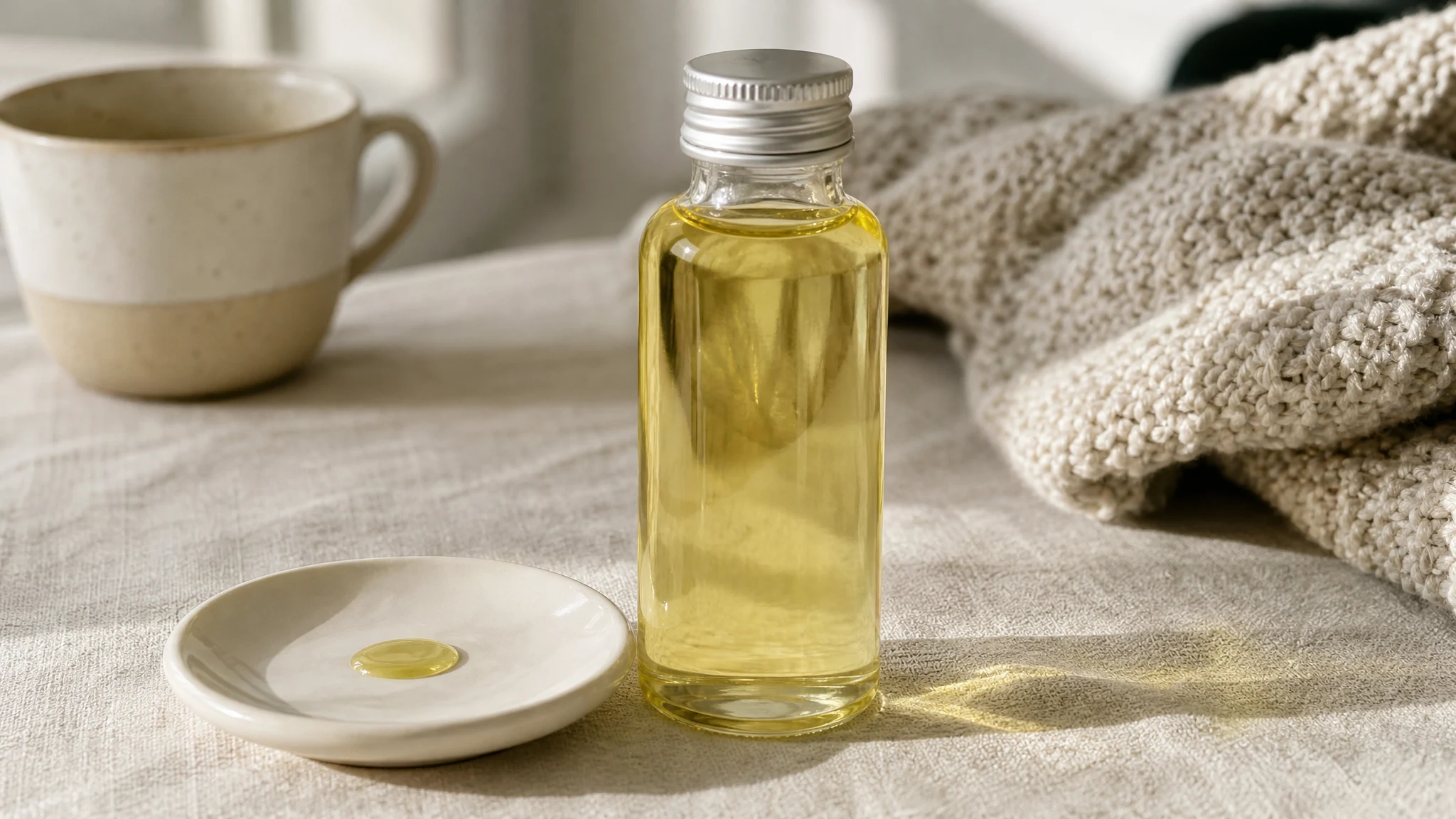
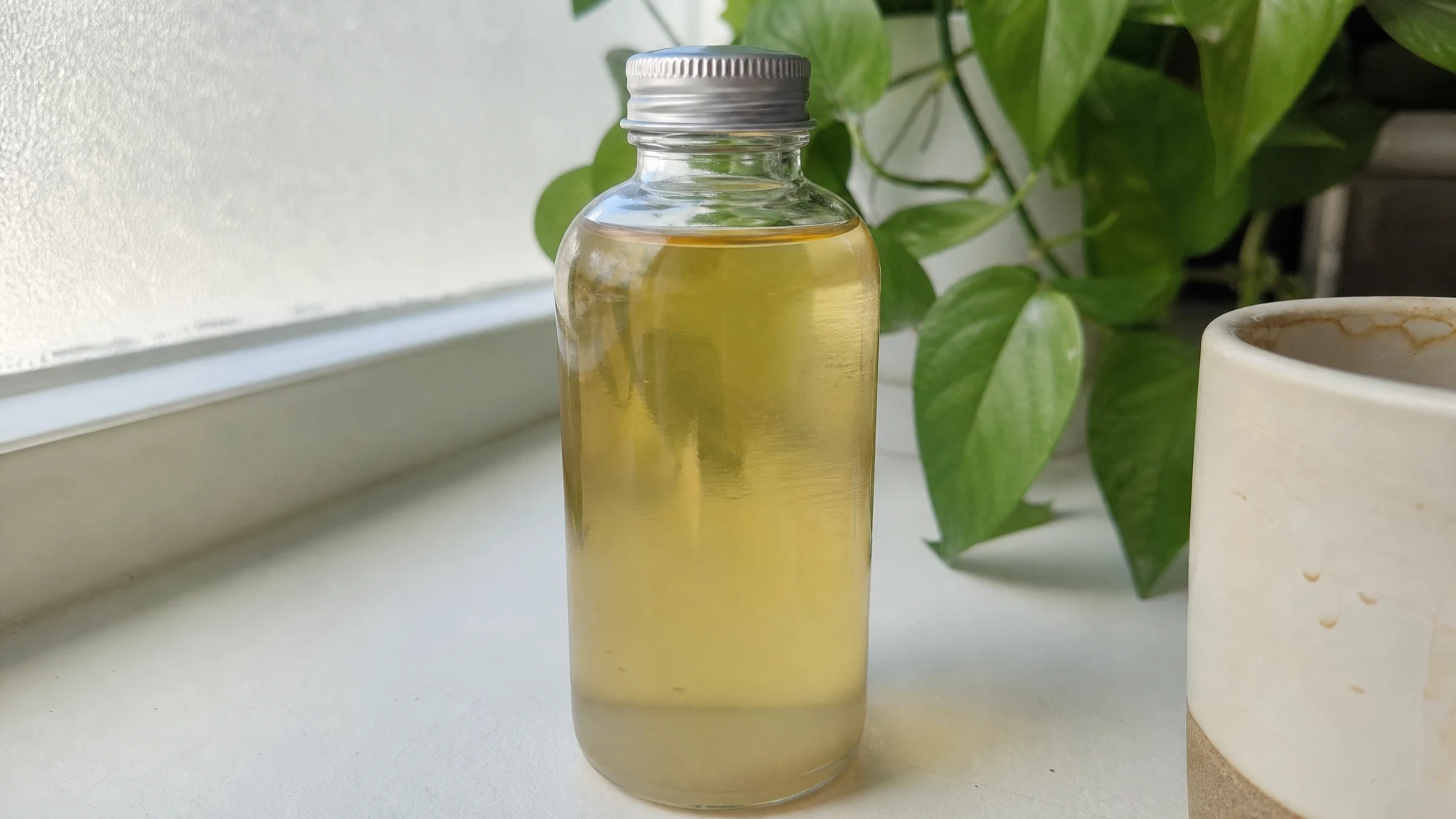
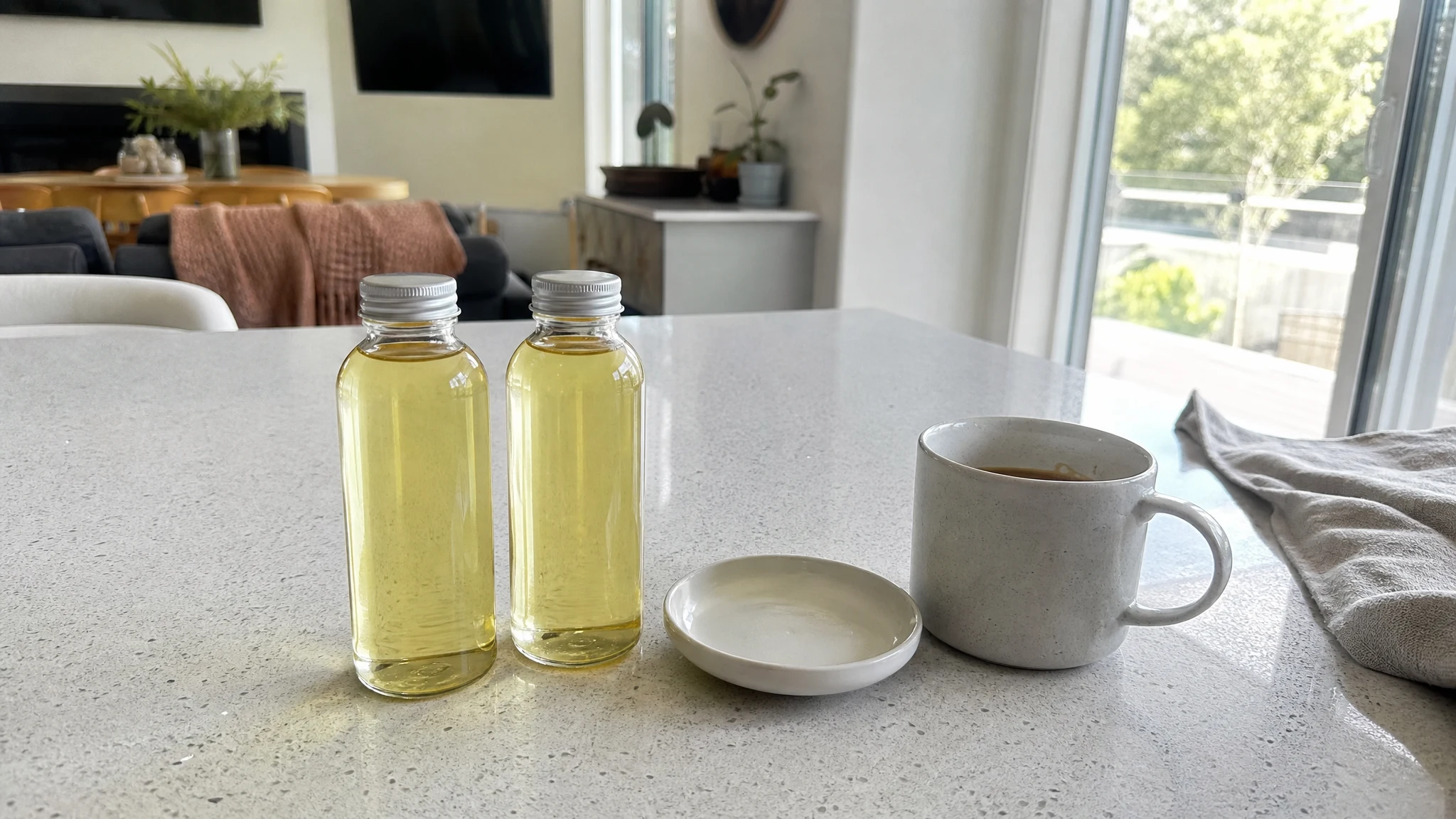
This is the part worth remembering. The oil we sell is Abyssinian oil itself, cold-pressed from crambe seeds: a light, golden oil with a mild, nutty aroma. It is the oil itself, not a phytosterol ester or any other derivative. If you saw the long name on a label and came looking for us, the plain oil is the one we offer, and the right comparison is between two different kinds of ingredient.
The plain oil behaves like an oil. It spreads, it has a gentle aroma, and it is made of the same fatty acids the seed carries. A comparison of how pressing and refining change an oil is in cold-pressed vs refined Abyssinian oil. A modified ester behaves like an engineered ingredient: it is chosen for film formation or emulsifying power inside a finished formula. Which is better depends entirely on what you are making. A formulator building a stable cream may want the engineered one. Someone who wants to use a single plant oil on its own, or blend it into their own routine, wants the plain oil.
A note on safety records
Safety reviews attach to specific ingredients, so be careful not to borrow one ingredient's record for another. The Cosmetic Ingredient Review Expert Panel looked at plant-derived fatty acid oils as a group, a list that includes plain crambe seed oil, and concluded they are safe as used in cosmetics. That conclusion is about the oils as named, not about their chemically modified derivatives, which have their own listings. As always, patch test any new product before first use, and check with a professional if you have specific concerns.
Where to go from here
If you are a maker curious about how the plain oil fits into a formula, our maker's walk-through covers where it sits in a recipe, and the Abyssinian oil page describes what we offer. If you are buying for a line, small bottles from our shop are an easy way to run bench trials, and because every size is bottled from the same lots, our bulk sizes starting at 5 lbs match what you tested; the bulk buying guide covers ordering in volume. If you are a shopper, the takeaway is simple: a name that ends in esters points to a modified ingredient, while Crambe Abyssinica Seed Oil on its own names the oil.
Labels are a language, and once you can read a few words of it, shopping gets calmer. The next time crambe turns up on an ingredient list, you will know whether you are looking at the oil or something made from it.
Abyssinian Oil
Cold-pressed Abyssinian oil, from a small bottle to bulk sizes.
From $11.99
Shop Abyssinian Oil →