Avocado Oil vs Abyssinian Oil: Rich or Light?
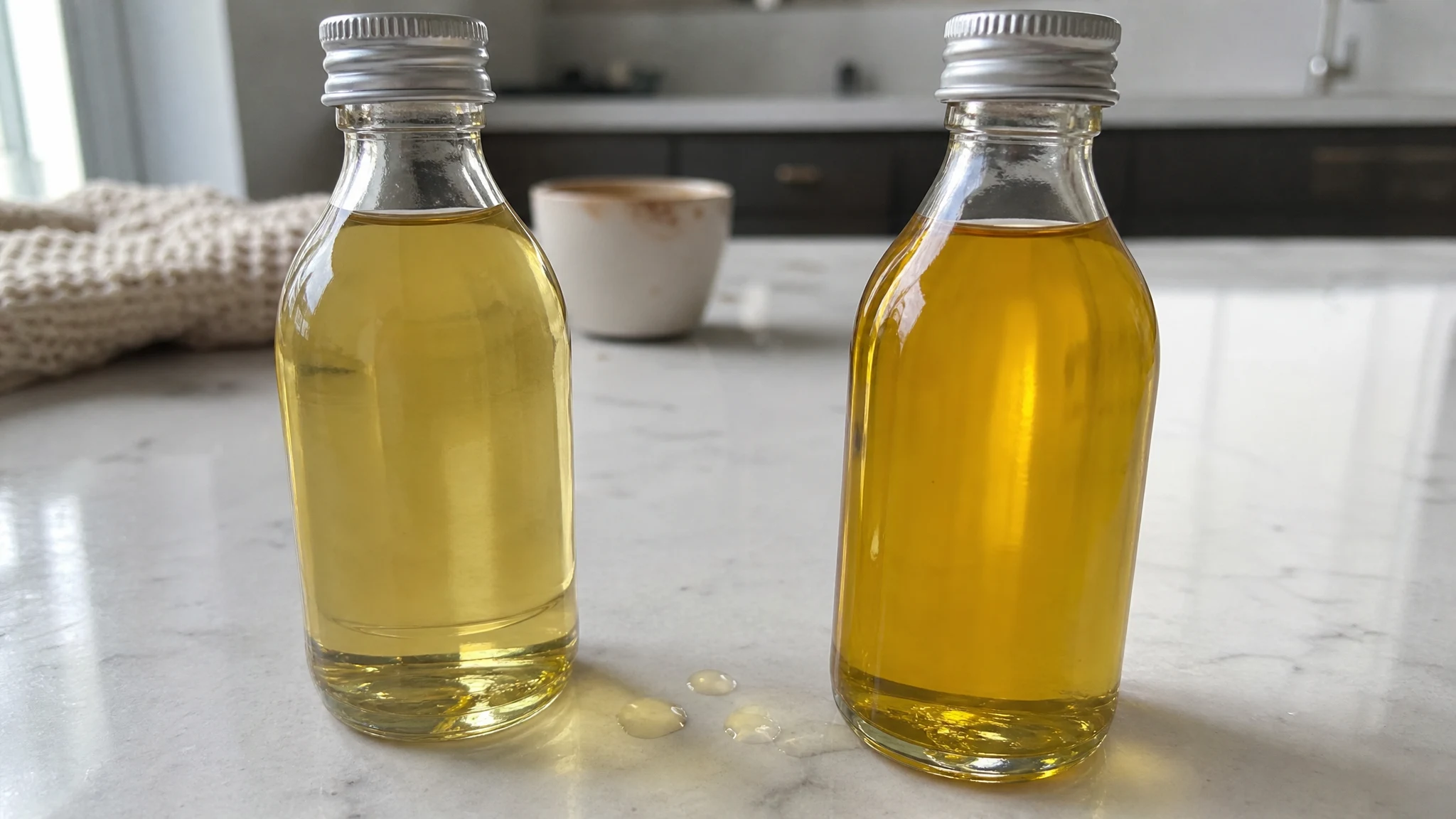
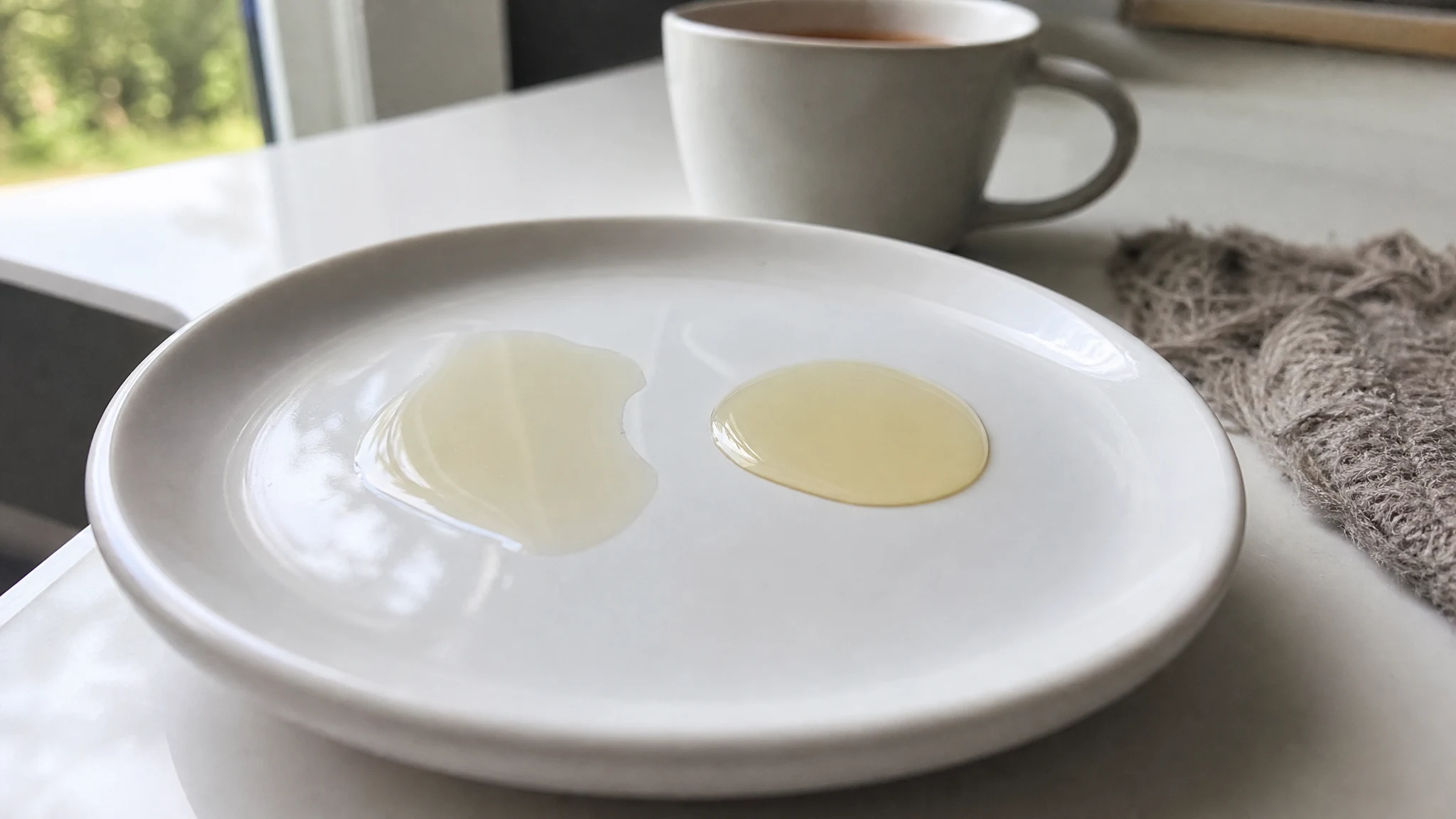
Some oils feel like a thick winter coat and some feel like a silk scarf. Avocado oil is the coat: generous, cushioning, a little weighty. Abyssinian oil is the scarf, which is why people reaching for one are often surprised to learn the other exists on the same shelf. Neither is the better oil. They are different weights for different days, skin and hair.
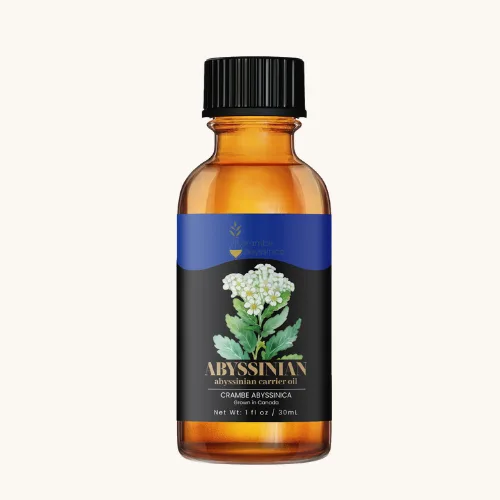
Abyssinian Oil
Cold-pressed Abyssinian oil, in sizes from 0.5 oz to bulk.
From $11.99
Shop Abyssinian Oil →What makes avocado oil rich
A 2025 review of avocado puts oleic acid at roughly 60 to 70% of the oil's fatty acids, with linoleic and palmitic acids making up much of the rest. Lots of oleic acid is the usual recipe for a fuller, more cushioning feel. A different review lists a typical iodine value, a rough measure of how unsaturated an oil is, of 85 to 95 for avocado, in the same range as olive oil. Those are numbers for avocado oil in general; individual bottles vary with variety and processing.
Our oil is a different design. Published analyses of crambe oil are led by erucic acid at 55 to 60%, with oleic around 15% and linoleic around 10%. We call ours lightweight and non-greasy, and the way we read the numbers is that a very long-chain acid in front gives a silkier, quicker finish. That is reasoning from composition, not a head-to-head measurement.
Sorting by skin
This is judgment from texture, not a promise about any individual.
- Skin that feels dry and tight most days: a richer oil like avocado is the intuitive pick, particularly on body areas. Look for it at a grocery store or craft supply shop, in a skin-care grade.
- Combination or easily weighed-down skin: a lighter oil in small amounts is the more comfortable direction, and our guide on going slowly with oil on oily skin shows how to ease in.
- Anything in between: use the light oil on the face and the rich oil on elbows and heels, and nobody argues.
Sorting by hair
Hair texture is the bigger variable, and here we would let the strand lead. A common styling rule of thumb, and our reasoning rather than a measured result, is that thick, coarse or tightly coiled hair tolerates a heavier oil, while fine hair can go limp under the same amount. Our posts on curly hair and the LOC method and frizzy hair show where a light oil fits, and fine hair is where we would reach for the scarf first. Porosity matters as much as curl, so how much oil is enough is a good companion read.
A reasonable middle path for many people: a rich oil as a pre-wash or weekend treatment, a light oil as the daily finishing touch. They are not rivals when they do different jobs.
Swapping with the seasons
Many people end up using both, just not on the same day. A richer oil comes out when the heating is on and hands and shins feel dry, and a lighter one takes over in warm, humid weather. Our simple seasonal swap for dry winter skin and the note on how much body oil to apply after a shower show what a light oil looks like in those routines. If you start with a few drops and find you want more cushion, that is your cue to reach for the richer oil, not to pour on more of the light one.
The quick verdict
If you want one oil to leave skin feeling soft without a trace of heaviness, ours is the lighter route. If you want maximum cushion and do not mind a weightier feel, avocado oil is the oil to look for elsewhere. As always, patch test before first use, avoid eye contact, and check with a professional if you have specific concerns. Our plain chart of carrier oils places both among the others.
So the question was never really which oil wins. It is how much weight you want on the day, and now you know which way each one leans.
Abyssinian Oil
Cold-pressed Abyssinian oil, from a small bottle to bulk sizes.
From $11.99
Shop Abyssinian Oil →Sources & Further Reading
- Foods (2025), Bioactive Compounds, Technological Advances, and Sustainable Applications of Avocado (Persea americana Mill.): A Critical Review
- Frontiers in Nutrition (2026), Cold pressed oils: a systematic review on physicochemical properties, nutritional composition and pharmacological activities
- Purdue NewCROP, Crambe abyssinica Hochst. ex R.E.Fries